If you’ve recently noticed your water heater making unusual sounds whether popping, banging, hissing, or rumbling you’re not alone. These noises can range from harmless quirks to signs of serious underlying problems. Understanding why your water heater is making noise is essential for protecting your plumbing, extending the lifespan of your appliance, and maintaining energy efficiency. At Residential Plumbing Goose Creek, we help homeowners identify and fix noisy water heaters quickly and safely, ensuring your system runs smoothly for years to come.
In this guide, we’ll cover the causes of noisy water heaters, step-by-step fixes, maintenance tips, and frequently asked questions all in one place so you can keep your water heater running quietly and safely.
Short Answer: Why Your Water Heater Is Making Noise
Most water heater noises result from sediment buildup, heating element malfunctions, or pressure and temperature issues.
- Popping or rumbling – Often caused by sediment at the bottom of the tank.
- Hissing or sizzling – Could indicate water leaking onto a hot heating element.
- Knocking or banging – Usually related to high water pressure or expanding pipes.
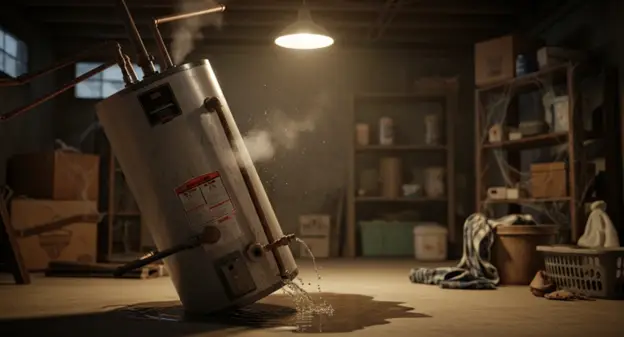
Safety Alert: If you notice severe banging, hissing, or any signs of leaking, it’s best to turn off the heater and contact a professional plumber immediately.
Understanding the Causes of Water Heater Noises
Sediment Buildup and Its Effects
Over time, minerals like calcium and magnesium settle at the bottom of your water heater tank. This sediment layer traps water underneath, which boils and creates popping or rumbling sounds.
- Impact on efficiency: Sediment reduces heat transfer, forcing your heater to work harder.
- Long-term effects: If not addressed, it can shorten the life of your heater and increase energy bills.
- Tip: Homes with hard water are more prone to sediment buildup, making regular flushing crucial.
Heating Element Malfunctions
The heating element in an electric water heater or the burner in a gas heater can wear out or become coated with mineral deposits.
- Electric heaters: Faulty elements can create humming or sizzling sounds.
- Gas heaters: Pilot light or burner issues may cause irregular noises.
- Signs of wear: Inconsistent water temperature, frequent cycling, or unusual sounds during operation.
Pressure and Temperature Issues
High water pressure or thermal expansion can create knocking or pinging noises.
- Expansion and contraction: Metal components expand when heated and contract when cooled, producing small knocking sounds.
- T&P valve issues: A malfunctioning temperature and pressure relief valve can also contribute to hissing or banging.
Loose or Worn Components
Rattling pipes, fittings, or worn insulation can amplify operational sounds.
- Effects: Noise increases as vibration travels through plumbing.
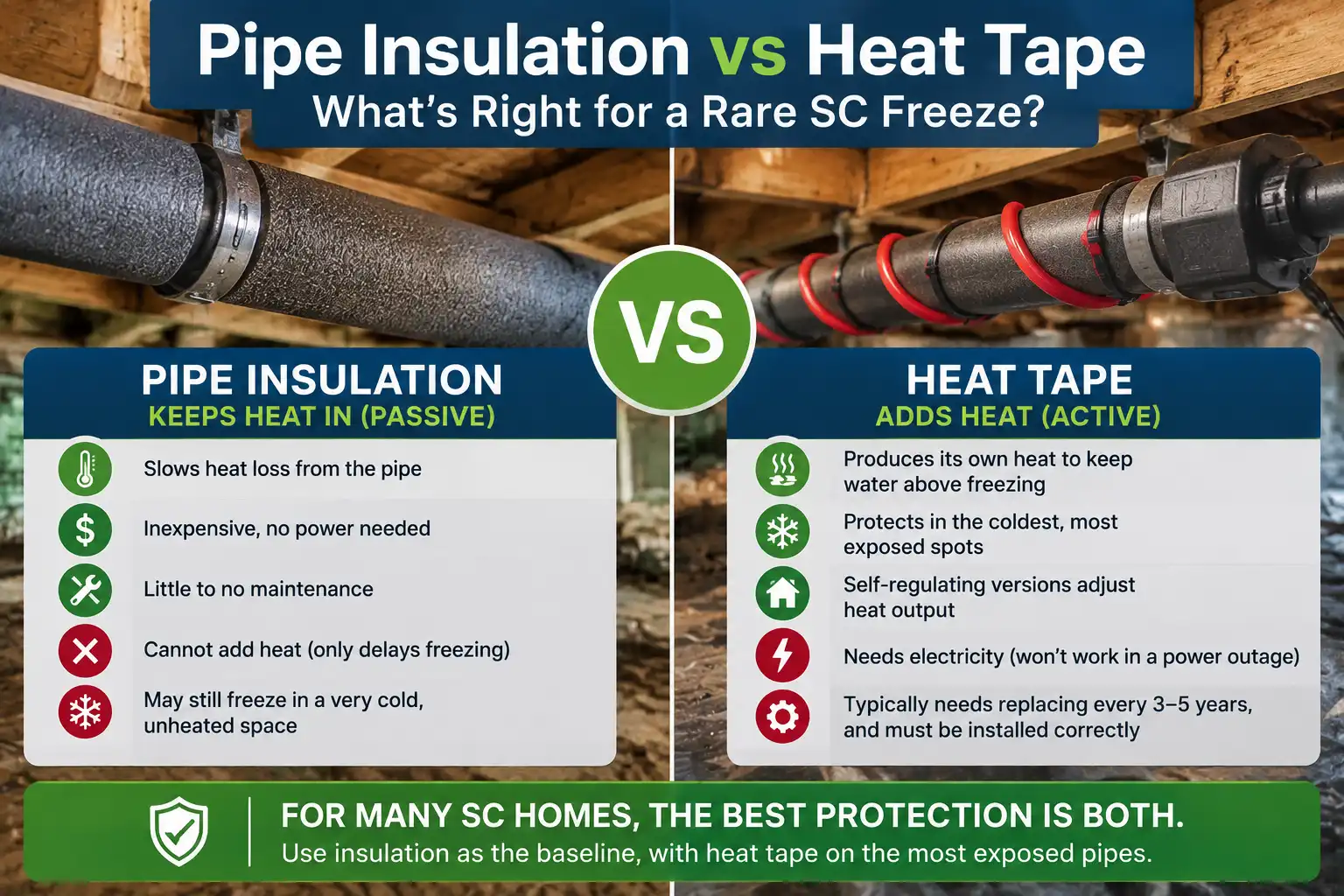
- Prevention: Secure all loose components and ensure pipes are insulated, especially in colder areas.
Common Questions People Also Ask
- Why does my water heater make a loud banging noise?
- Is it normal for a water heater to make popping sounds?
- Can water heater noises damage my home plumbing?
- How long can a noisy water heater safely operate?
- Are electric water heaters noisier than gas ones?
Answering these questions early can help you decide whether a quick DIY fix or professional service is needed.
Guide to Fixing a Noisy Water Heater
Step 1 – Turn Off Power and Water Supply
Safety first. Shut off electricity for electric heaters or the gas line for gas heaters. Close the cold water inlet to prevent leaks during inspection.
Step 2 – Drain and Flush the Tank
Tools required: Garden hose, bucket, and adjustable wrench.
- Connect the hose to the drain valve and direct water to a safe area.
- Open the drain valve slowly and allow the tank to empty.
- Open the cold water supply briefly to flush out remaining sediment.
This helps eliminate popping and rumbling caused by mineral deposits.
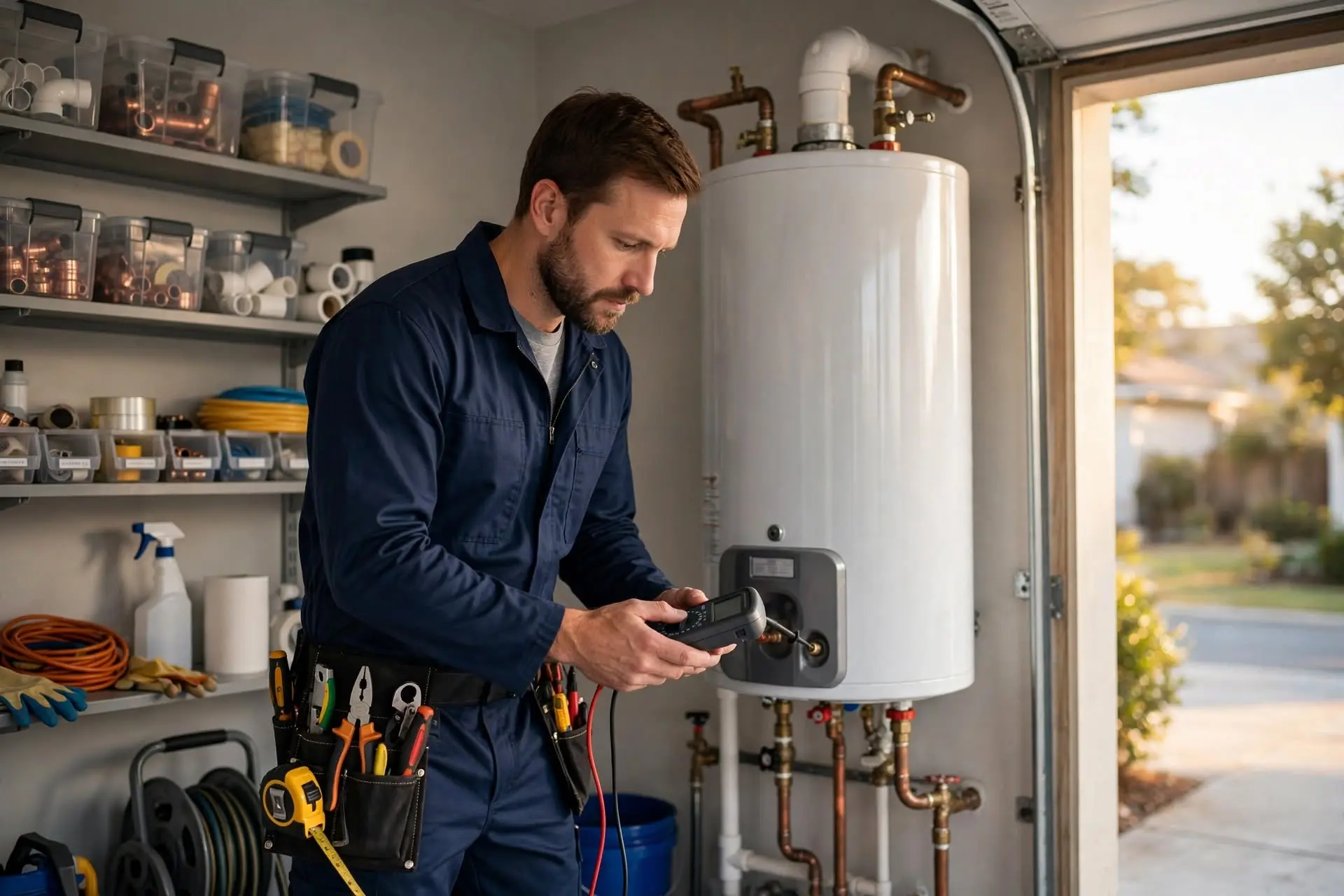
Step 3 – Inspect and Replace Heating Elements
- Electric heaters: Remove and inspect elements for scale buildup or wear. Replace if corroded.
- Gas heaters: Check burners and pilot assembly. Clean or replace as needed.
- DIY vs. Professional: If uncomfortable with electricity or gas, hire a licensed plumber for replacement.
Step 4 – Check Pressure and Temperature Settings
- Recommended pressure: 40–60 psi for residential systems.
- Adjust the T&P valve carefully to ensure proper pressure release and prevent banging or hissing noises.
Step 5 – Tighten or Replace Loose Components
- Inspect pipes, fittings, and insulation.
- Secure loose parts with brackets or replace worn insulation to reduce rattling.
Step 6 – Regular Maintenance Tips
- Flush your water heater every 6–12 months.
- Inspect T&P valves and heating elements yearly.
- Schedule professional servicing for optimal longevity and noise reduction.
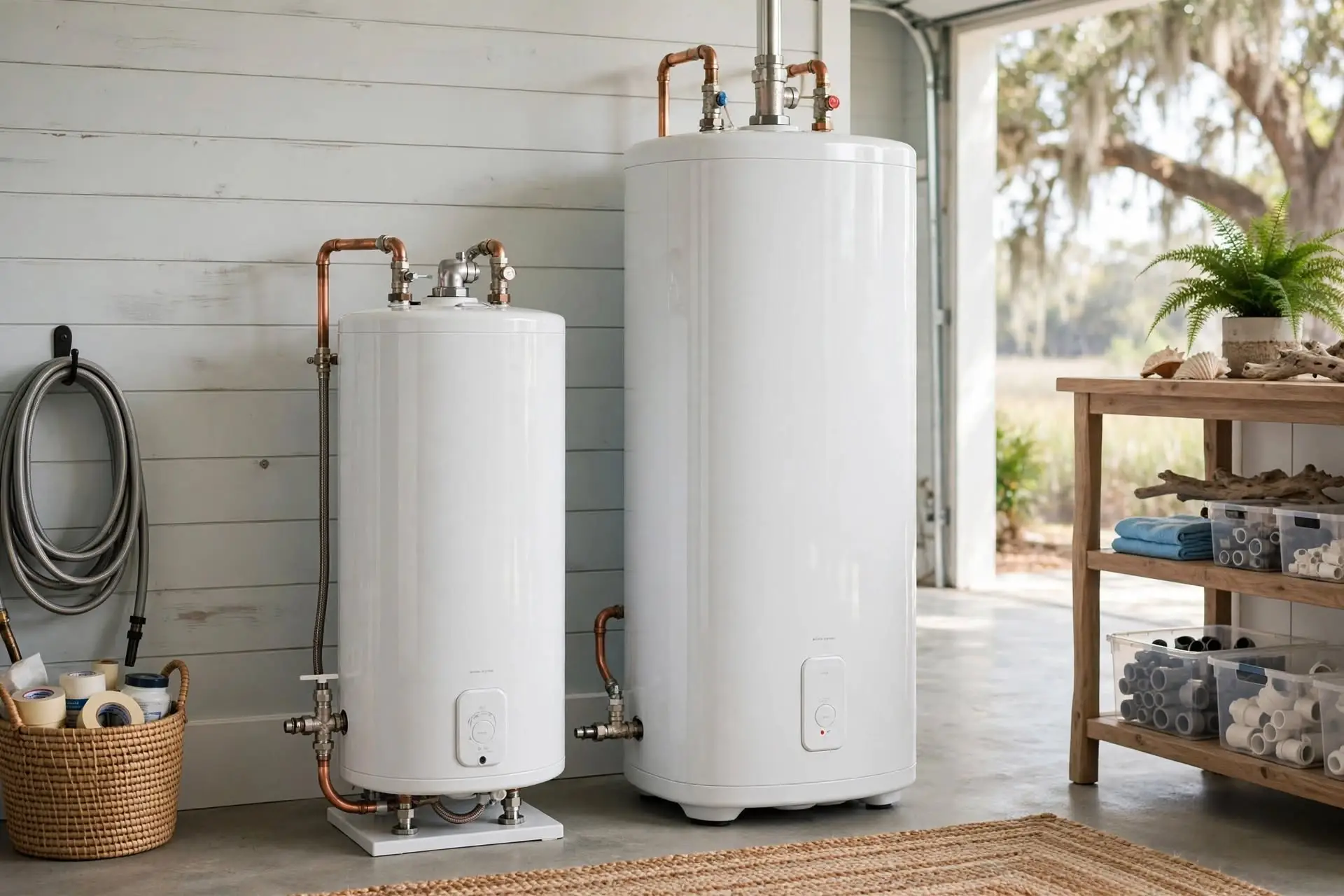
Noisy Water Heater Types and Common Sounds
| Water Heater Type | Common Noises | Typical Cause | Recommended Action |
| Gas Tank | Rumbling, popping | Sediment, pilot issues | Flush tank, check pilot |
| Electric Tank | Humming, sizzling | Heating element | Inspect/replace element |
| Tankless | Clicking, vibration | Water flow, scaling | Descale unit |
| Hybrid | Popping, hissing | Sediment or fan | Maintenance/flush |
This table helps you identify the type of noise and the most effective solution quickly.
FAQs About Noisy Water Heaters
Can a noisy water heater explode?
Rarely, but excessive sediment or high pressure can cause dangerous pressure buildup. Always address unusual noises promptly.
How much does it cost to fix a noisy water heater?
DIY fixes like flushing are low-cost. Replacing heating elements or professional servicing ranges from $150–$500 depending on the issue.
Does draining a water heater reduce noise?
Yes, flushing removes sediment that causes popping and rumbling sounds.
How do I know if the noise indicates a serious problem?
Persistent banging, hissing, or leaks are signs of serious issues requiring a professional inspection.
Why does my water heater make noise only when heating?
Heating causes water expansion and sediment to shift, producing noise.
Can hard water cause water heater noise?
Absolutely. Hard water accelerates sediment buildup, increasing popping and rumbling.
Is it safe to ignore minor noises?
Minor sounds are often harmless, but repeated or loud noises should be inspected to prevent damage.
How long does a properly maintained water heater last?
Typically 8–12 years for tank heaters and up to 20 years for tankless models with regular maintenance.
Conclusion
If you’re asking, why is my water heater making noise?, the answer usually lies in sediment buildup, heating element issues, pressure irregularities, or loose components. Early diagnosis and proactive maintenance can prevent costly repairs, reduce energy bills, and ensure a quieter, safer home.
Regular flushing, inspections, and professional servicing are your best defenses against noisy water heaters. By following the step-by-step guide and understanding the types of noises, you can quickly identify and fix problems before they escalate. Keep your water heater running smoothly, and enjoy peace of mind knowing your home plumbing is safe and efficient.