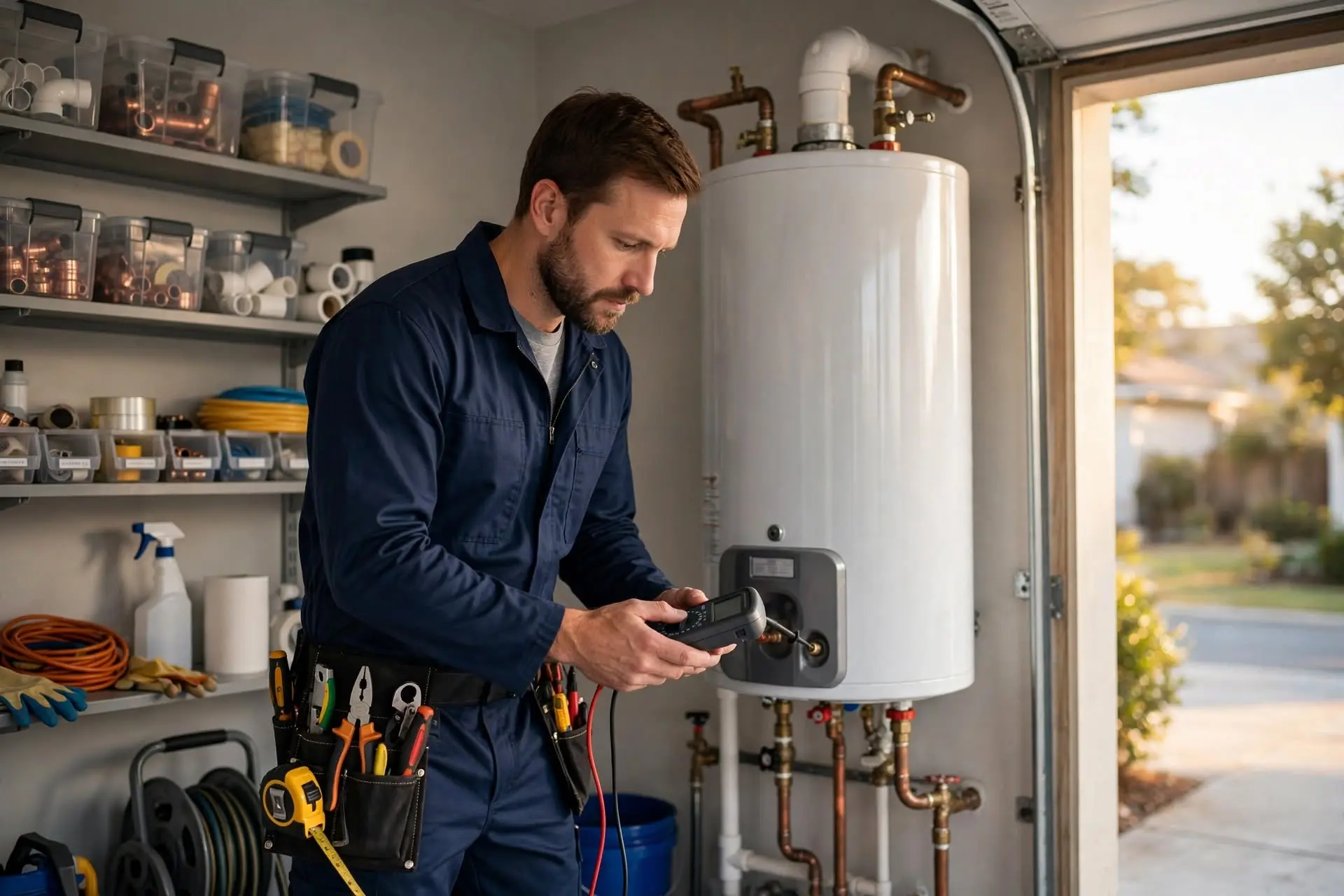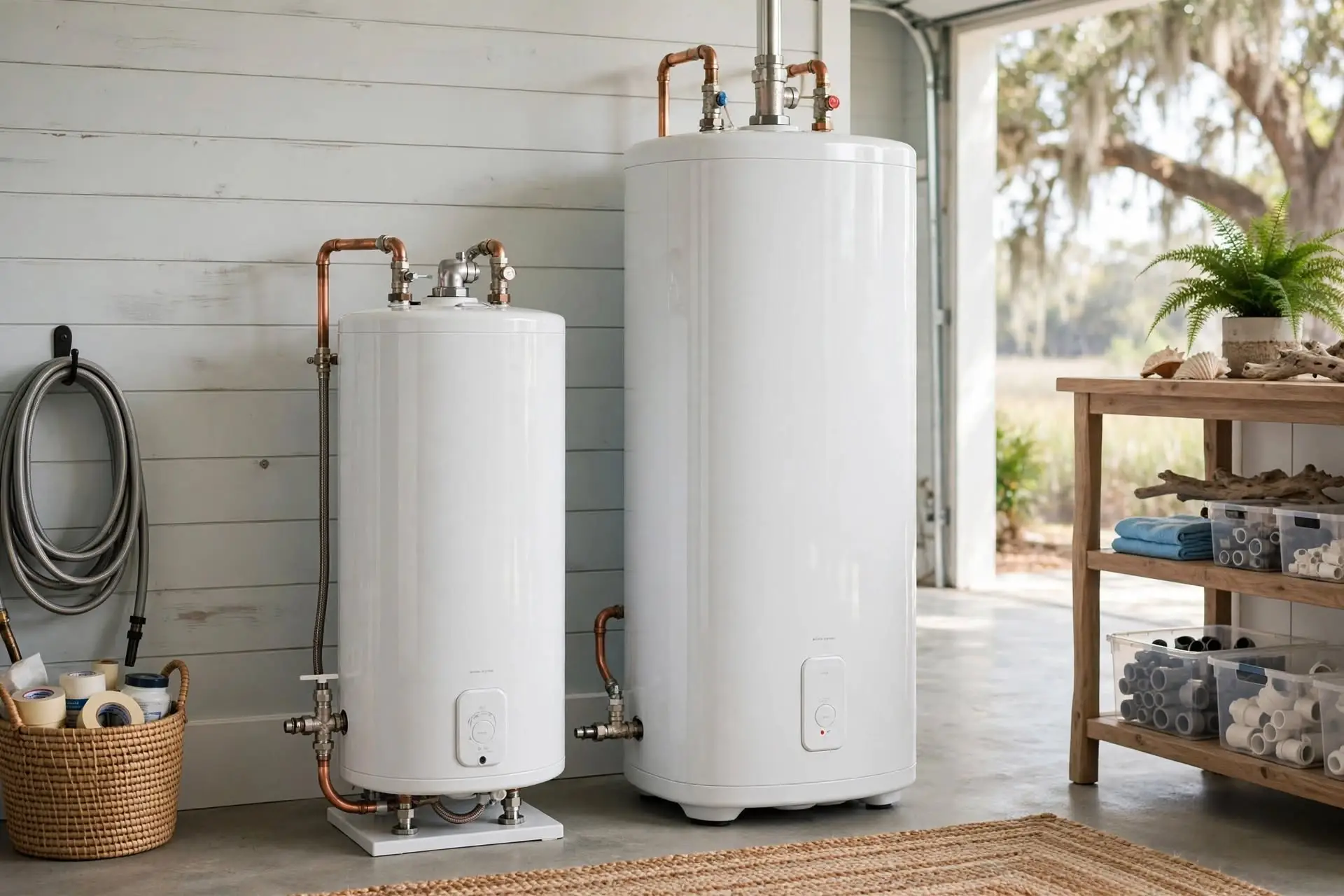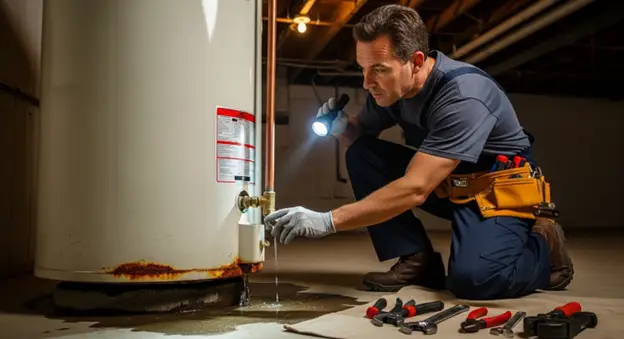
A leaking water heater can quickly turn into a major household problem if ignored. When the leak is coming from the bottom of your water heater, it could signal anything from a minor valve issue to a failing tank that requires immediate replacement. In this expert guide, we’ll walk you through exactly what to do if water heater is leaking from bottom, how to diagnose the issue, repair or replace parts safely, and prevent future leaks. This guide is written with insights from professional plumbers, ensuring you have actionable, step-by-step instructions.
Quick Answer: What to Do If Water Heater Is Leaking from Bottom
If your water heater is leaking from the bottom, act fast to minimize damage:
- Turn off the water supply immediately to prevent flooding.
- Shut off the power or gas to the heater for safety.
- Drain the tank partially to reduce pressure and avoid water damage.
- Identify the source of the leak — check the drain valve, tank, or fittings.
- Decide between repair or replacement based on damage severity.
- Call a professional plumber if the issue is beyond DIY repair.
Understanding Why Water Heaters Leak from the Bottom
Leaks at the bottom of a water heater are usually caused by:
- Corrosion – Rust eats through the tank over time.
- Faulty drain valve – A small drip can worsen into a leak.
- Sediment buildup – Pressure and sediment stress the tank bottom.
- Loose fittings – Connections can loosen over time due to expansion and contraction.
Minor leaks often involve repairable parts like valves or fittings, whereas major leaks usually indicate tank failure requiring replacement. Water quality, tank age, and maintenance history play a significant role. Keep an eye out for early warning signs such as pooling water or rust stains.
Tools & Safety Preparation Before You Inspect or Repair
Essential Tools Checklist
- Adjustable wrench
- Bucket or hose for draining
- Screwdriver
- Towels or mop for water cleanup
- Heat-resistant gloves (if water is hot)
Critical Safety Precautions
- Turn off power at breaker (for electric heaters) or shut off gas supply.
- Avoid direct contact with hot water to prevent burns.
- Clear the area to prevent slips and water damage.
- Inspect surrounding surfaces for electrical hazards.
What to Do If Water Heater Is Leaking from Bottom
Step 1 – Turn Off Water Supply
Locate the cold water inlet valve and shut it off immediately to stop further leaking.
Step 2 – Shut Off Power or Gas
- Electric heater: switch off the circuit breaker.
- Gas heater: turn the gas valve to OFF.
Step 3 – Drain Water Heater Partially
Attach a hose to the drain valve and drain enough water to access the leak safely, while preventing damage to your floor.
Step 4 – Inspect the Source of the Leak
- Check the drain valve for cracks or loose fittings.
- Look for corrosion at the tank bottom.
- Examine nearby piping connections for drips.
Step 5 – Repair Minor Issues
- Tighten or replace the leaking drain valve.
- Apply plumber’s tape to loose fittings.
- Flush out sediment buildup that may be stressing the tank.
Step 6 – When to Replace the Water Heater
- Corrosion at the tank bottom
- Large, persistent leaks
- Heaters older than 10–15 years
Step 7 – Test After Repair or Replacement
Restore water supply slowly, turn power or gas back on, and check for leaks and proper heating.
Common Problems and How to Fix Them
Leaking Drain Valve
- Symptoms: steady drip or trickle from bottom
- Fix: tighten, replace valve, or apply plumber’s tape
Corroded Tank Bottom
- Symptoms: rust, water pooling
- Fix: usually requires full replacement
Loose Pipe Connections
- Symptoms: minor drip from fittings
- Fix: tighten or reapply plumber’s tape
Sediment Build-Up
- Symptoms: stress cracks or leaks at valve
- Fix: flush tank regularly to prevent accumulation
Repair vs Replacement for Leaking Water Heaters
| Issue | Repairable | Replace Recommended | Cost Range | Lifespan Impact | Risk Level |
| Small drain valve leak | YES | NO | $20–$50 | Maintains lifespan | Low |
| Loose pipe connections | YES | NO | $10–$30 | Maintains lifespan | Low |
| Corrosion at bottom of tank | NO | YES | $600–$1200 | New lifespan 10–15 yrs | High |
| Sediment-induced leak | YES | Optional | $0–$50 | Preventive | Medium |
Disclaimer: Prices Mentioned Above are general estimates and not actual prices from Residential Plumbing Goose Creek.
Signs Your Water Heater May Leak from the Bottom
Pooling Water Around Heater Base
The first visible indicator of a leak is often water collecting around the base.
Rust Stains on Tank or Floor
Early rust stains indicate corrosion forming at the tank bottom.
Reduced Hot Water Output
Leaks may reduce water pressure or heat efficiency.
Strange Noises
Rumbling or popping noises suggest sediment buildup stressing the tank.
FAQs About What to Do If Water Heater Is Leaking from Bottom
Can a leaking water heater be repaired?
Depends on the leak source; valves and fittings are repairable, but corroded tanks usually require replacement.
How urgent is a leak at the bottom of a water heater?
Very urgent. Ignoring it can cause water damage, flooding, or electrical hazards.
How do I know if the leak is from the tank itself?
Rust, corrosion, and water pooling underneath the tank indicate a tank issue.
Can I fix a leak myself?
Minor leaks from valves or fittings can be DIY; tank replacement should be handled by a professional plumber.
How long will a repaired water heater last?
Minor repairs may extend life for several years; corroded tanks usually need replacement.
How to prevent future leaks?
Flush your tank regularly, inspect valves and fittings annually, and replace old heaters proactively.
Is it safe to keep using a leaking water heater?
No. Leaks pose risks of flooding, electrical shock, or gas leaks in gas units.
Do tankless water heaters leak from the bottom?
Rarely. Most leaks occur at pipe connections or the pressure relief valve.
Final Thoughts: Safely Handling a Water Heater Leaking from Bottom
- Immediate action: turn off water and power/gas.
- Inspect carefully to determine if repair or replacement is necessary.
- Preventive maintenance: flush your tank, check valves, and fittings regularly.
Call a professional plumber for corrosion or major leaks. Acting quickly not only prevents water damage but also ensures safety and prolongs the lifespan of your water heating system.