Short answer: yes, most remodel plumbing that moves or adds fixtures and lines needs a permit, and skipping it is a costly mistake. But there is a local wrinkle many Goose Creek homeowners get wrong about which office issues that permit. Here is what you need to know before starting a remodel, so a permit problem does not stall your project or come back to bite you at resale.
Note that permit rules and fees change, and the details below reflect the general requirements at the time of writing. Always confirm the current specifics with the correct permitting office for your address before you begin.
The Local Wrinkle: Who Issues Your Permit
This is the part that trips people up. Not every Goose Creek address is permitted through Berkeley County. Incorporated municipalities, including the City of Goose Creek, handle permitting for properties inside their city limits, while unincorporated parts of the county go through Berkeley County Building and Codes Enforcement in Moncks Corner. So the first step is knowing whether your home sits inside the City of Goose Creek limits or in unincorporated Berkeley County, because that determines which office you apply to. Applying to the wrong one wastes time. When in doubt, a quick call to Berkeley County Permitting at 843-719-4292 will point you to the right jurisdiction.
When a Plumbing Permit Is Required
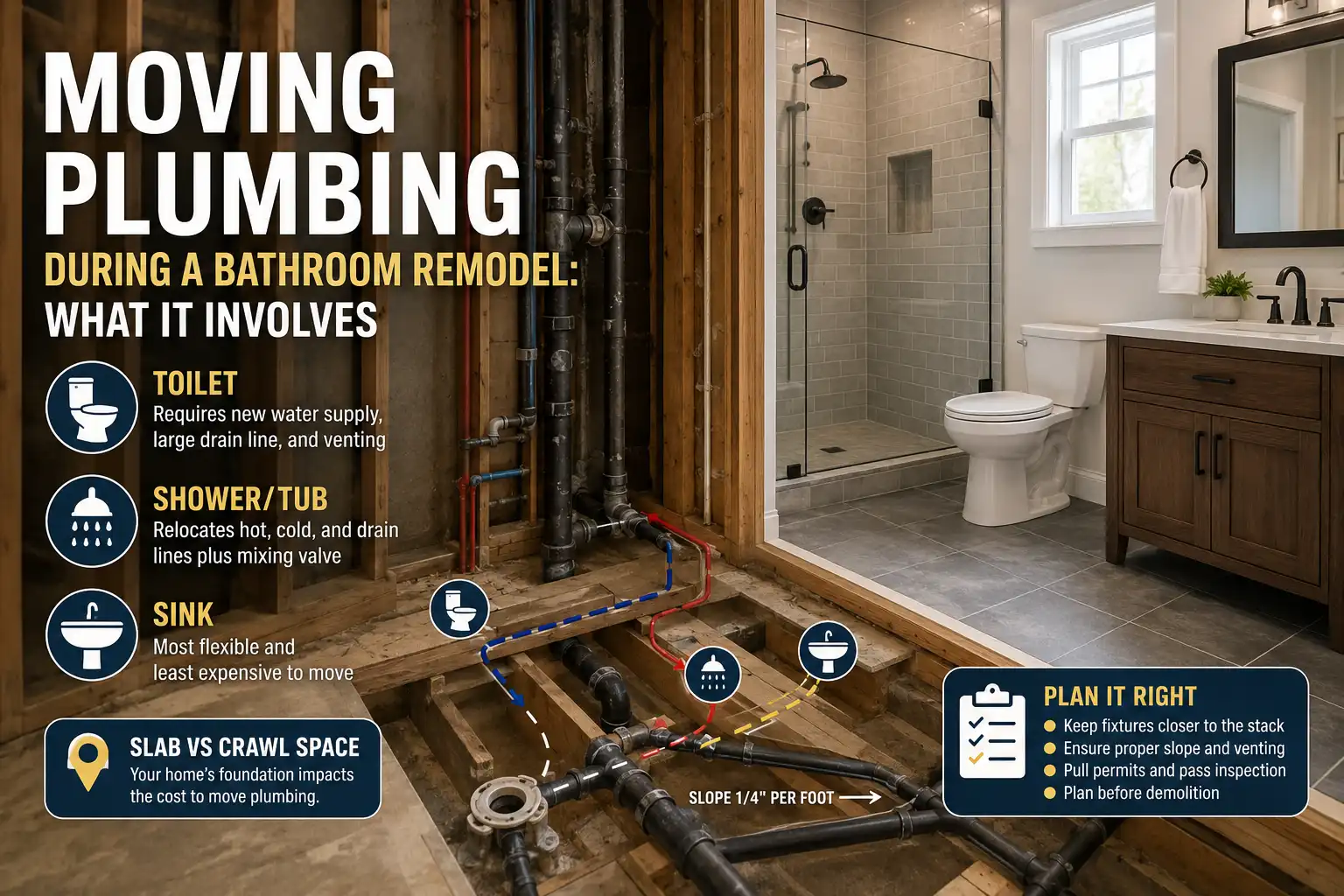
The general rule is that any work which alters, adds, moves, or replaces plumbing systems needs a permit. For a remodel that means relocating a toilet, sink, shower, or tub, running new supply or drain lines, adding a fixture where none existed, or moving a water heater. Plumbing permits are issued separately from building, electrical, mechanical, and gas permits, so a full remodel may involve several permits at once.
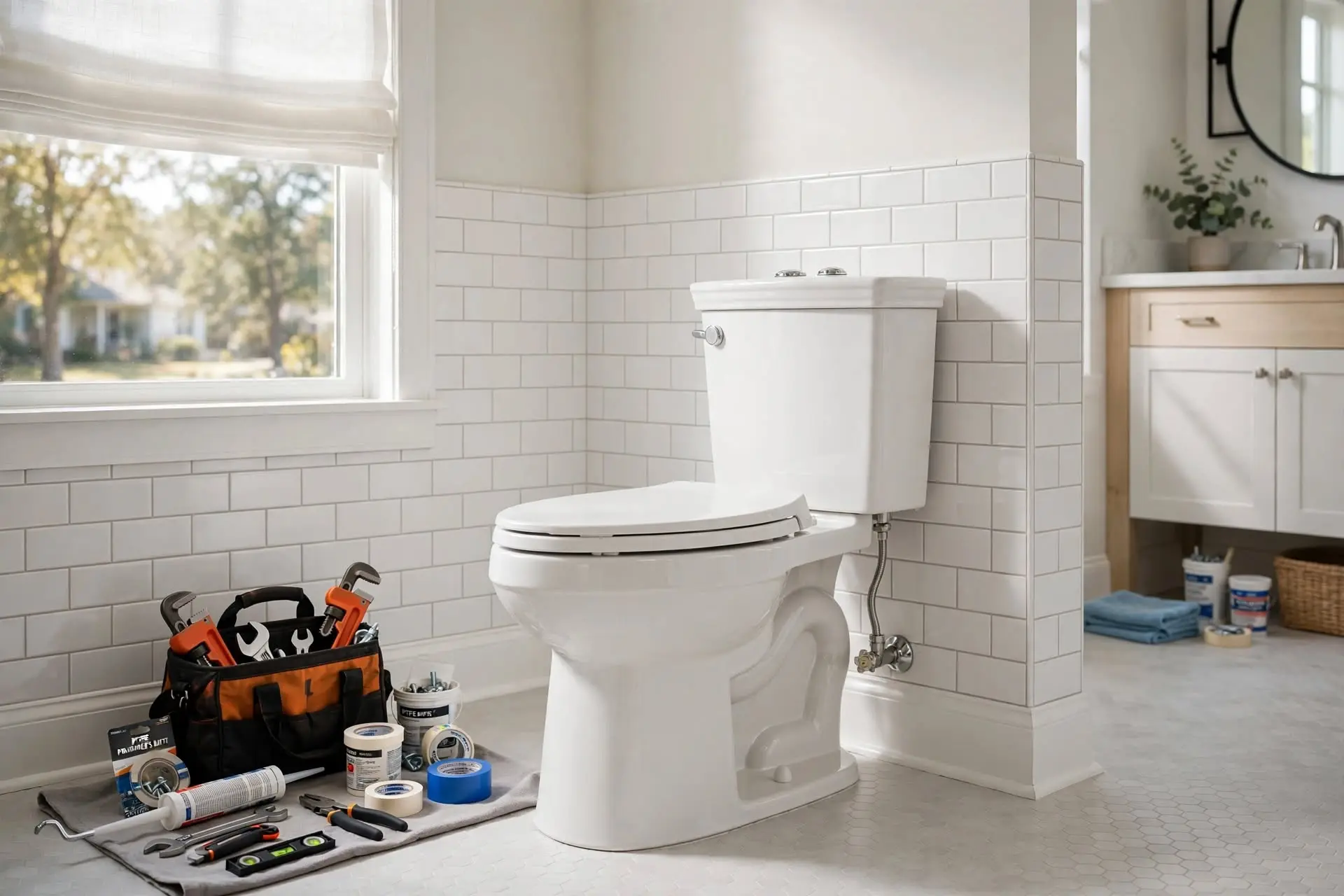
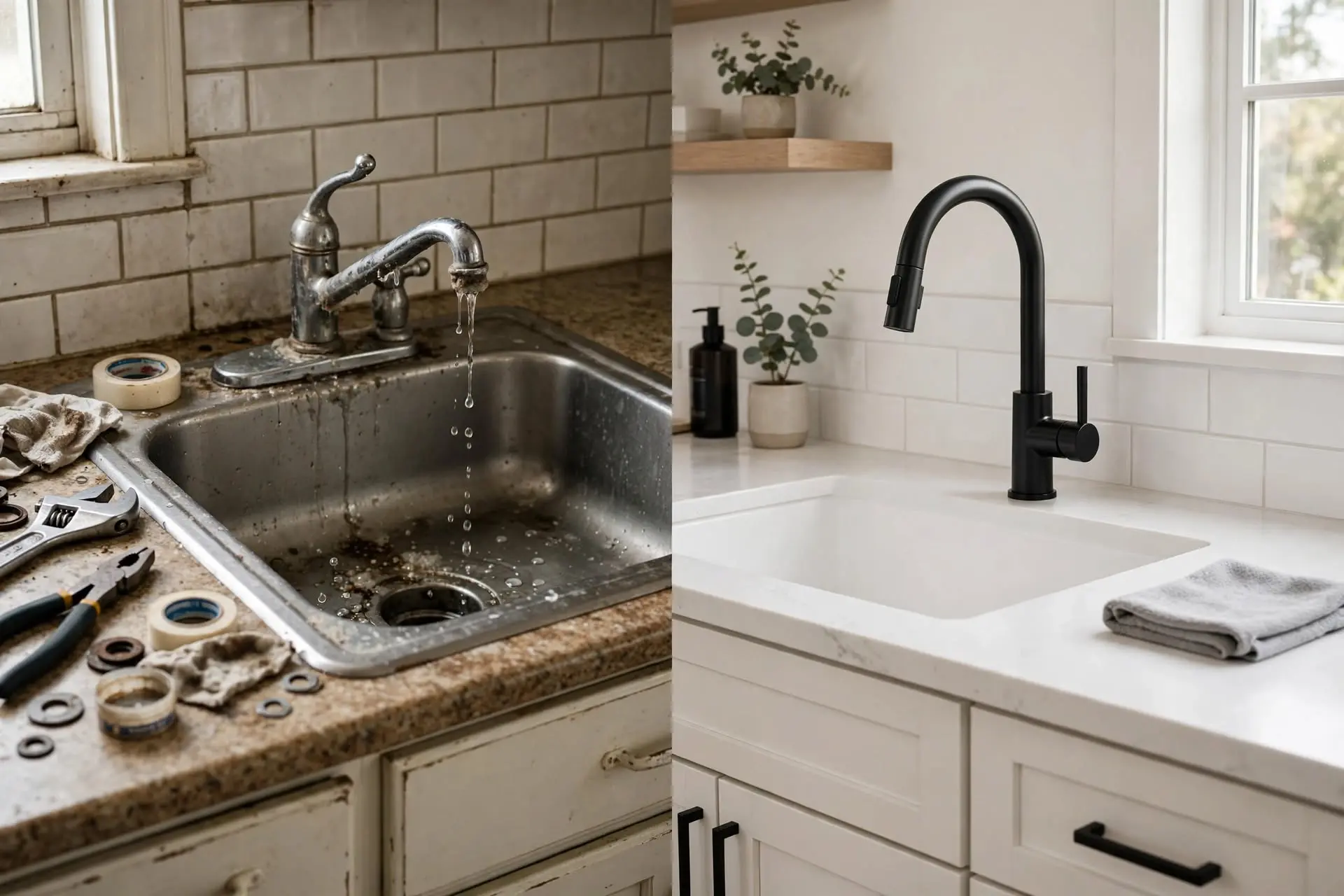
Minor like-for-like repairs generally do not need a permit, for example swapping a faucet, replacing a toilet in the same spot, or fixing a leak. The line falls at whether you are changing the plumbing system or just servicing an existing fixture in place. Because that line can be fuzzy, checking with the permitting office before you start is the safe move.
Why Permits Apply to Both Kitchens and Baths
The requirement is the same whether you are moving a toilet in a bathroom remodel or relocating a sink in a kitchen remodel. Both involve rerouting supply, drain, and vent lines, and both must meet the plumbing code the county enforces. Permits exist to make sure that work is done to code and inspected, which protects you as much as the next owner.
What Happens If You Skip It
Unpermitted plumbing work carries real consequences. The county can issue a stop-work order, levy fines, and require you to open finished walls so the work can be inspected after the fact. Beyond that, unpermitted work can void your homeowners insurance if a leak from that work causes damage, and it surfaces during a home sale, where buyers and their lenders often require that all work was permitted, forcing you to retroactively permit and possibly redo it. The permit fee, usually a modest amount for residential work, is small insurance against all of that.
Who Pulls the Permit
A licensed plumbing contractor pulls the permit as part of the job, which is one of the practical advantages of hiring a pro over attempting the work yourself. South Carolina does allow a homeowner who is the primary resident of a one or two-family home to pull an owner-builder permit, but that also makes you responsible for the work meeting code and passing inspection. For anything beyond the simplest change, having a licensed plumber handle both the work and the permit is the smoother path, and it is one more reason the difference between a licensed plumber and a handyman matters on a remodel.
Get It Handled Correctly
Permitting is not the exciting part of a remodel, but getting it wrong is expensive and getting it right is routine when a professional handles it. A licensed plumber knows which jurisdiction applies, pulls the correct permits, and schedules the inspections so your project stays on track. Professional bathroom and kitchen remodel plumbing in Goose Creek includes the permit and inspection process, so the work is done to code and documented, and there are no surprises when you sell.