If your water is too hot, not hot enough, or your energy bills are creeping up, your electric water heater temperature setting is likely the culprit. The good news? You don’t need to be a plumber to fix it.
Learning how to adjust temperature on electric water heater systems is a simple but powerful maintenance task that improves safety, efficiency, and performance. In this expert-level guide, you’ll get precise, step-by-step instructions along with pro tips that ensure you do it safely and correctly the first time.
Quick Answer: How to Adjust Temperature on Electric Water Heater?
Here’s the fast and effective method:
- Turn OFF power at the circuit breaker
- Remove access panel(s)
- Locate thermostat(s)
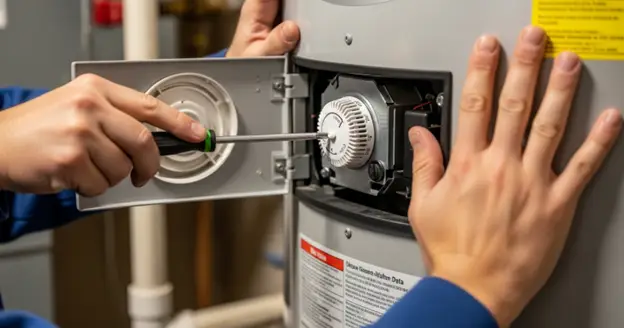
- Use a flathead screwdriver to adjust the temperature dial
- Set to 120°F (49°C) for optimal performance
- Replace panel and restore power
- Wait 1–2 hours to test results
This process ensures safe adjustment without risking electrical hazards.
Understanding How Electric Water Heater Temperature Control Works
To adjust temperature properly, it’s important to understand how your system operates.
Role of Upper and Lower Thermostats
Most electric water heaters use two thermostats:
- Upper thermostat: Controls the initial heating cycle
- Lower thermostat: Maintains consistent water temperature
Heating Elements and Temperature Regulation
Electric heaters use internal heating elements that activate based on thermostat settings. These elements heat water in stages, ensuring efficiency and even distribution.
Why Most Heaters Have Dual Thermostats
Dual thermostats allow better control and prevent overheating, especially in larger tanks.
Factory Default Settings
Most units come preset between 120°F and 140°F, which may not always be ideal for your household.
Why Adjusting Your Water Heater Temperature Matters
Adjusting your water heater isn’t just about comfort, it directly impacts safety and cost.
- Prevents scalding risks, especially for children and elderly
- Improves energy efficiency, reducing electricity consumption
- Lowers utility bills over time
- Extends heater lifespan by reducing strain
- Ensures consistent hot water supply
Even a small adjustment can lead to noticeable savings and improved performance.
Tools & Safety Preparation Before You Begin
Preparation is key to doing this job safely and efficiently.
Essential Tools Checklist
- Flathead screwdriver
- Non-contact voltage tester
- Insulated gloves
- Flashlight
Critical Safety Precautions
- Always turn OFF the breaker (not just the thermostat)
- Confirm no power using a voltage tester
- Avoid touching exposed wires
- Keep the area dry to prevent electric shock
Skipping these steps can result in serious injury never take shortcuts.
How to Adjust Temperature on Electric Water Heater
Follow this detailed process for safe and accurate results.
Step 1 – Turn Off Power at Circuit Breaker
Locate your home’s electrical panel and switch OFF the breaker connected to the water heater.
Step 2 – Remove Access Panels
Unscrew the upper and lower panels on the heater. Carefully pull back insulation to expose the thermostats.
Step 3 – Locate Thermostats
You’ll see:
- Upper thermostat (main control)
- Lower thermostat (temperature maintenance)
Step 4 – How to Adjust Temperature on Electric Water Heater Safely
Use a flathead screwdriver to rotate the thermostat dial. Align it with your desired temperature setting.
Step 5 – Set Ideal Temperature
- 120°F: Best balance of safety and efficiency
- 130–140°F: Suitable for high-demand households
Step 6 – Reassemble Heater Panels
Replace insulation and securely screw the panels back into place.
Step 7 – Turn Power Back ON
Switch the breaker back ON and allow the heater to begin reheating.
Step 8 – Test Water Temperature
After 1–2 hours, run hot water from a faucet and check the temperature. Adjust again if needed.
Ideal Water Heater Temperature Settings (Expert Recommendations)
Best Temperature for Safety and Efficiency
- 120°F (49°C) is widely recommended by experts for most households
When to Increase Temperature
- Large families with high hot water demand
- Dishwashers that don’t have built-in heaters
When to Lower Temperature
- Homes with children or elderly individuals
- Households focused on energy savings
Common Mistakes When Adjusting Water Heater Temperature
Avoid these common errors that can reduce efficiency or create safety risks.
Not Turning Off Power
This is the most dangerous mistake and can lead to electric shock.
Setting Temperature Too High
Higher temperatures increase scalding risk and energy consumption.
Ignoring Lower Thermostat
Adjusting only one thermostat can cause uneven heating.
Not Testing Temperature After Adjustment
Always verify results to ensure accuracy.
Water Heater Temperature Settings & Their Impact
| Temperature | Safety Level | Energy Efficiency | Best For | Risk |
| 100–110°F | Very Safe | High | Low usage homes | Lukewarm water |
| 120°F | Safe | Optimal | Most households | Minimal |
| 130°F | Moderate | Medium | High demand homes | Slight burn risk |
| 140°F+ | Low | Low | Commercial use | High scald risk |
Signs Your Electric Water Heater Temperature Needs Adjustment
Water Too Hot or Too Cold
If your water temperature fluctuates, your thermostat likely needs recalibration.
Running Out of Hot Water Quickly
Incorrect settings may cause the heater to underperform.
Sudden Increase in Energy Bills
Higher-than-normal costs often indicate excessive temperature settings.
Electric vs Gas Water Heater Temperature Adjustment
| Feature | Electric Water Heater | Gas Water Heater |
| Adjustment Method | Internal thermostat dial | External gas control knob |
| Tools Required | Screwdriver | None |
| Safety Risk | Electrical shock | Gas exposure |
| Precision | High | Moderate |
FAQs About How to Adjust Temperature on Electric Water Heater
How to adjust temperature on electric water heater without turning off power?
It’s not recommended. Turning off power is essential for safety.
What is the safest temperature setting?
120°F is considered the safest and most efficient setting.
Why is my water still too hot after adjustment?
Your thermostat may be faulty or miscalibrated.
Do I need to adjust both thermostats?
Yes, adjusting both ensures consistent water temperature.
How long does it take to see changes?
Typically 1–2 hours after adjustment.
Can adjusting temperature reduce electricity bills?
Yes, lowering temperature reduces energy consumption.
What if thermostat doesn’t respond?
It may need replacement or professional inspection.
Is professional help required?
Not usually, but it’s advisable if you’re unsure or dealing with electrical issues.
Final Thoughts: Safely Adjusting Your Electric Water Heater Temperature
Adjusting your water heater temperature is one of the simplest yet most effective ways to improve your home’s efficiency and safety.
Always prioritize safety by turning off power before making any adjustments. Stick to 120°F for most households, and ensure both thermostats are properly set for consistent performance, as recommended by Residential Plumbing Goose Creek.
With regular monitoring and small adjustments, you can extend the life of your system, lower your energy bills, and enjoy reliable hot water whenever you need it.
Mastering how to adjust temperature on electric water heater systems puts you in control of comfort, cost, and long-term performance.