If you’ve ever called a plumber and felt unsure about what the bill was going to look like, you’re not alone. Plumbing rates can feel like a mystery, especially when different companies seem to price things completely differently. Here’s a breakdown of what a residential plumber typically charges per hour in 2026, what affects those rates, and what you can realistically expect when you pick up the phone.
Average Hourly Rates for a Residential Plumber in 2026
Nationally, residential plumber hourly rates in 2026 generally fall between $75 and $200 per hour. Where you land in that range depends on a few things: your location, the type of work, the time of day, and the experience level of the plumber.
In the South Carolina Lowcountry, including the Goose Creek and Tri-County area, rates tend to be on the more reasonable end of the national scale. You’re not paying big-city prices, but materials and cost of living have been climbing steadily in this region, so rates have adjusted accordingly over the past few years.
For most standard residential plumbing work, homeowners in this area can expect to pay somewhere between $85 and $150 per hour for a licensed plumber during normal business hours.
Flat Rate vs. Hourly: What’s the Difference
Not every residential plumber charges by the hour. A lot of companies use flat-rate pricing for jobs with a known scope. Things like toilet replacements, water heater installations, or fixture swaps are often quoted as a fixed price rather than an open-ended hourly rate.
Flat-rate pricing has real advantages. You know what you’re paying before anyone picks up a wrench, which makes budgeting easier and removes the anxiety of watching the clock during a repair. Hourly pricing works better for jobs where the scope is genuinely unknown, like diagnosing a leak or working through a drain problem that could be simple or could turn into something more involved.
When you call a residential plumber, it’s worth asking upfront how they price their work so there are no surprises on the invoice.
What Affects How Much a Plumber Charges Per Hour
Time of Day & Day of the Week
After-hours calls, weekend work, and holiday service almost always come with a higher rate. Some companies charge a flat emergency fee on top of their hourly rate. Others have a separate after-hours rate that runs 1.5 to 2 times the standard price. If the situation can wait until the next business day, that’s typically the more affordable option. If it can’t, like a burst pipe or a water heater failure, paying the premium is the right call.
Experience & Licensing
A licensed, experienced residential plumber will charge more per hour than someone newer to the trade. That difference is generally worth it. An experienced plumber diagnoses problems faster, makes fewer mistakes, and is less likely to leave you with a follow-up issue. Speed matters here too. A plumber who charges $150 an hour but finishes in two hours often costs less overall than someone charging $100 an hour who takes four.
Job Type
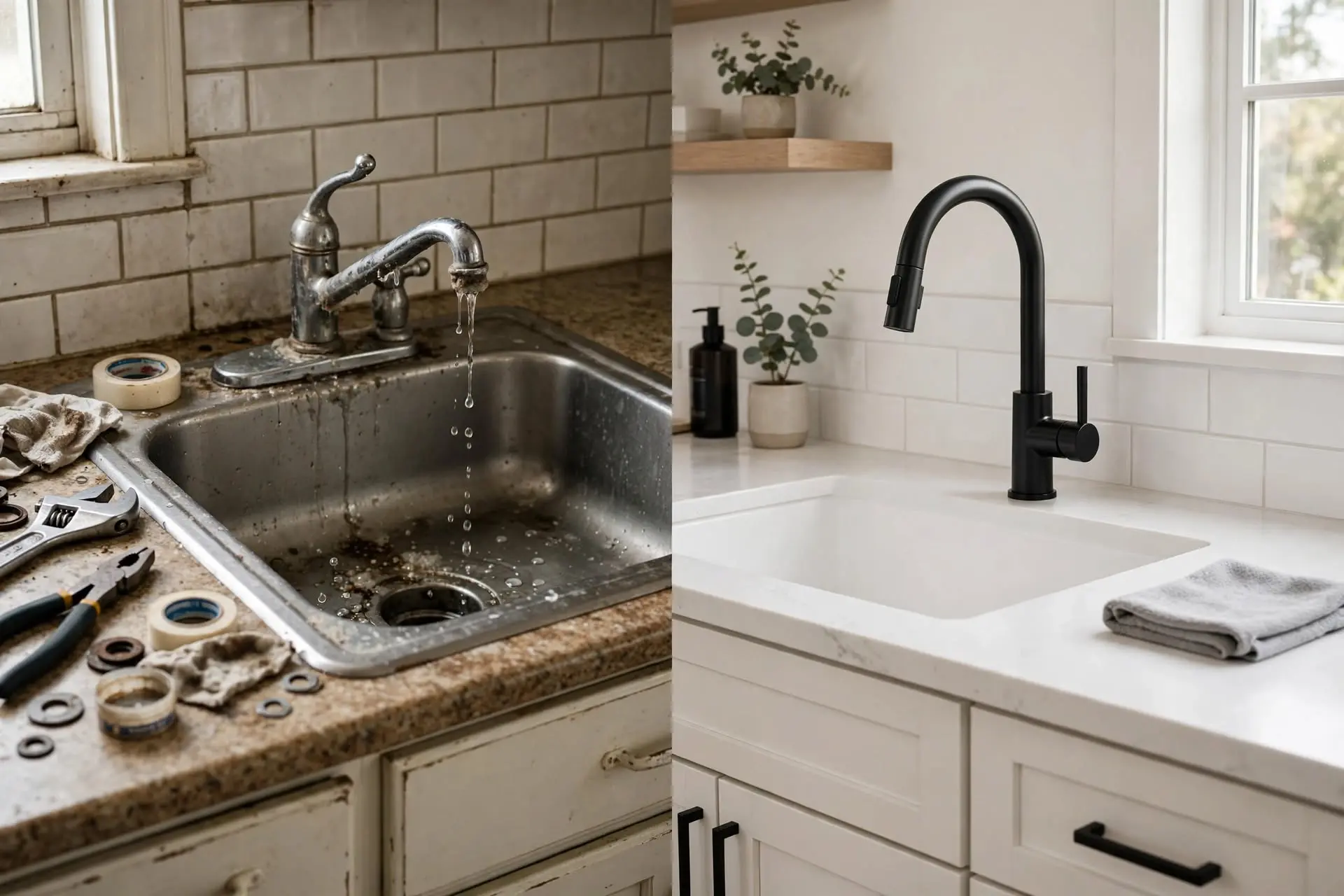
Some jobs simply take more time and skill than others. Replacing a faucet is a quick, straightforward task. Running new pipe through walls, diagnosing a slab leak with electronic equipment, or dealing with corroded pipe in an older home takes considerably more time and expertise. The hourly rate may be the same, but the total bill reflects the nature of the work.
Service Call Fees
Many residential plumbers charge a service call fee or trip charge in addition to their hourly rate. This typically runs between $50 and $150 and covers the cost of showing up, diagnosing the issue, and providing an estimate. Some companies waive this fee if you move forward with the repair. Others apply it regardless. It’s a normal part of how plumbing businesses operate, and asking about it upfront gives you a clear picture of the full cost.
What You Get for That Hourly Rate
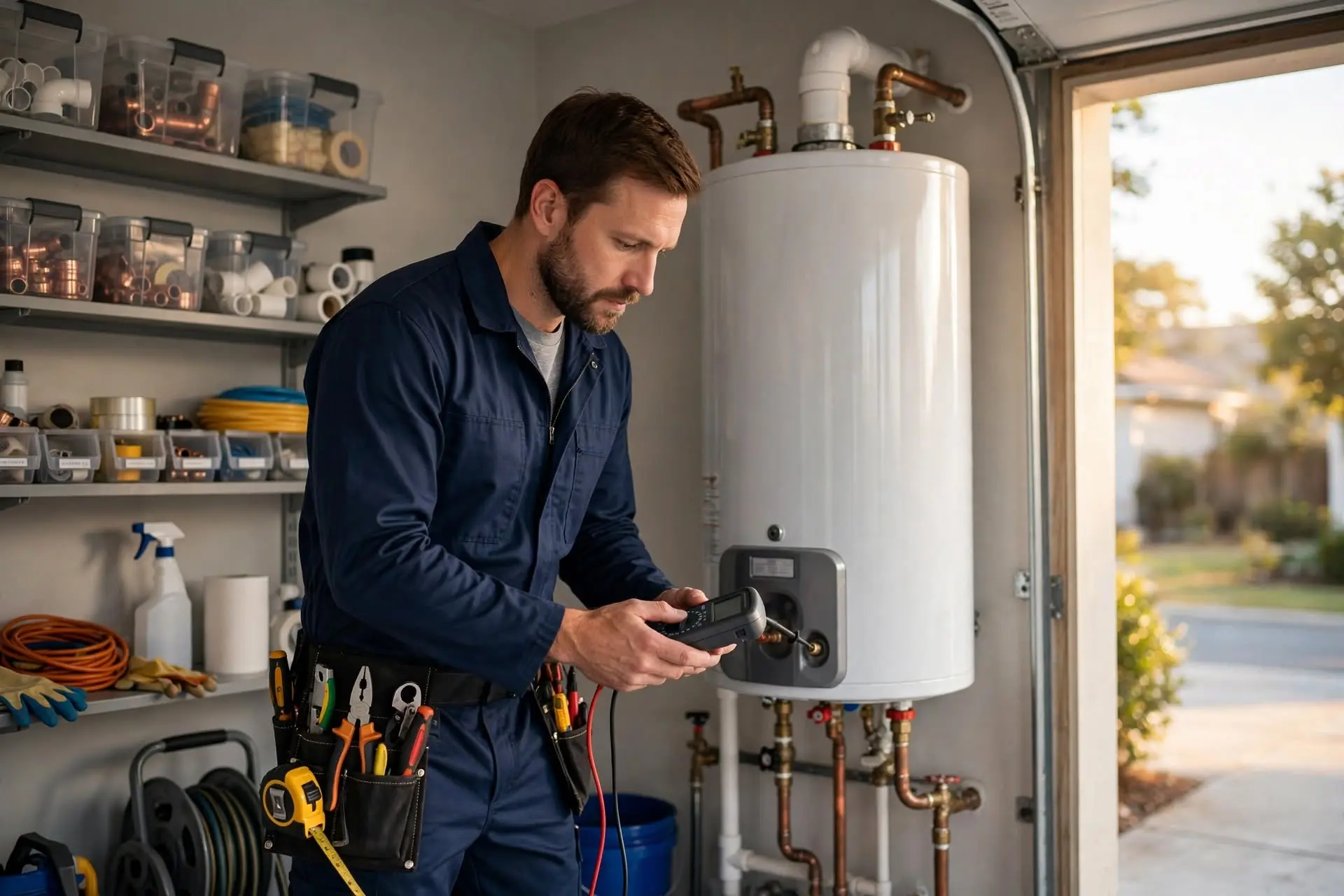
When you hire a licensed residential plumber, you’re paying for more than just labor. You’re paying for the right tools, the right parts, the knowledge to identify the actual problem instead of just treating the symptom, and the accountability that comes with a licensed professional handling the work.
DIY plumbing repairs go wrong frequently, and when they do, the cost to fix the original problem plus the mistake is almost always higher than calling a plumber from the start. For anything involving supply lines, drain systems, water heaters, or slab leaks, having a licensed professional on the job is the smarter move.
Getting a Fair Price in the Goose Creek Area
Homeowners in the Goose Creek and Tri-County area have access to locally owned plumbing companies that have been serving the community for decades. That kind of longevity usually reflects something real: honest pricing, quality work, and a reputation built on repeat customers and referrals rather than one-time transactions.
Before any work begins, ask for a written estimate. A good residential plumber will tell you exactly what they found, what they recommend, and what it’s going to cost before anything gets started. That transparency is what separates a company worth calling from one worth avoiding.
Plumbing rates have gone up in recent years, and that’s unlikely to change. But knowing what’s reasonable in your area puts you in a position to make informed decisions and avoid overpaying for work that should be priced fairly.