The average Goose Creek household quietly wastes 30 to 50 gallons of water every single day without noticing. Not through long showers or filling the pool. Through small, invisible leaks and outdated fixtures that have been losing water for months or years. At South Carolina water rates, that waste adds up to $200 to $500 per year on your bill, and none of it is actually delivering value to your home.
The good news is that most of this waste has a fix that costs less than what you lose in a single year. This article walks through the 5 biggest sources of ongoing water waste in typical Goose Creek homes and what each fix actually looks like.
Quick Reference: What’s Actually Costing You
Here is what the most common waste sources actually cost over a year at typical Goose Creek water rates.
| Waste Source | Gallons Lost Per Day | Annual Cost at SC Rates |
| Running toilet | 200 | $250-$400 |
| Leaking showerhead (10 drips/min) | 15 | $20-$30 |
| Dripping faucet (30 drips/min) | 8 | $10-$15 |
| Silent toilet leak | 50-100 | $60-$150 |
| Long showers (over 10 min) | 17 per shower | $60-$100 per person |
| Old toilet (pre-1994) | 15 per flush extra | $100-$180 |
| Sprinkler leaks or misaligned heads | 25-50 | $30-$75 |
1. Toilets That Run or Leak Silently
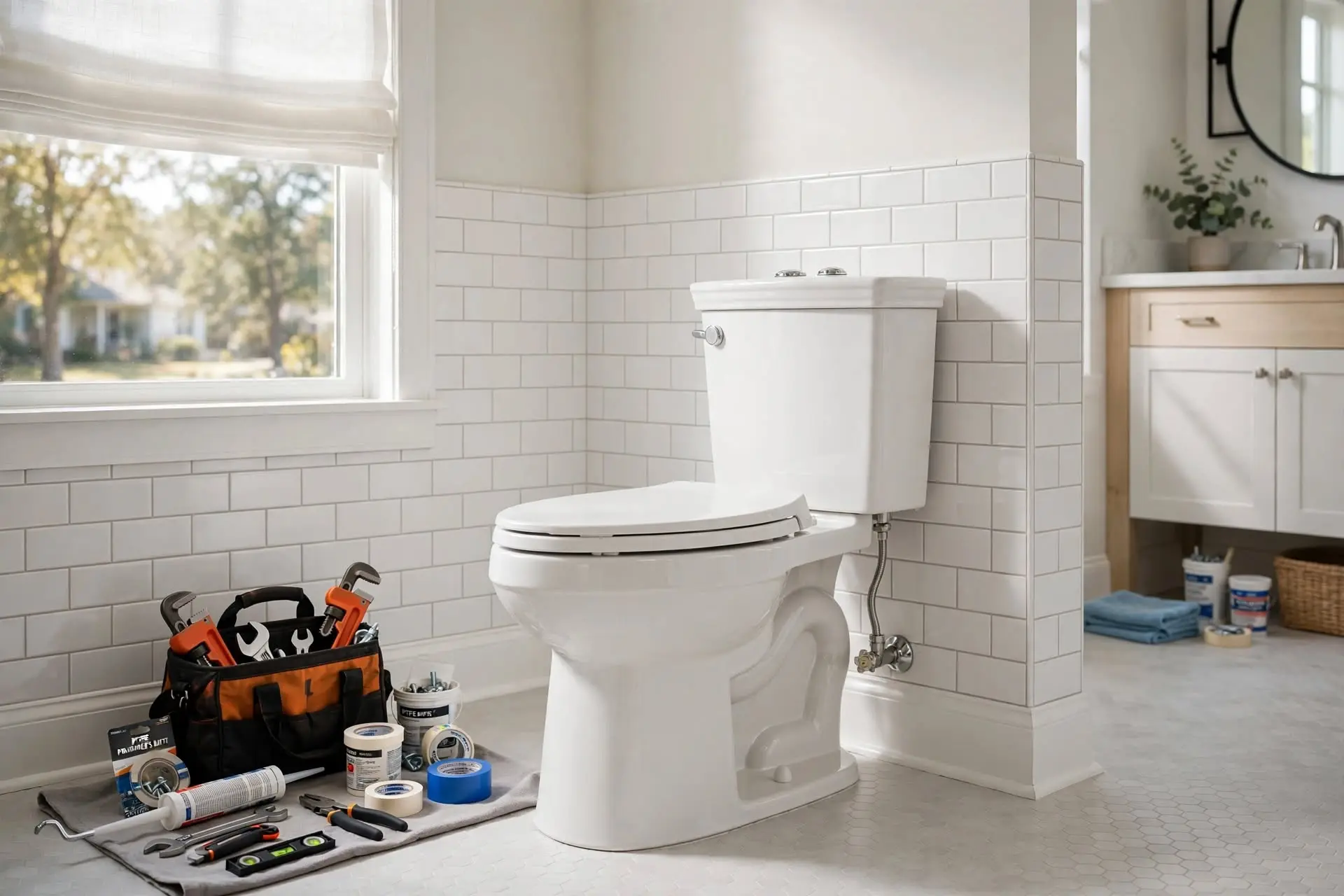
Toilets are the single biggest water waster in most Goose Creek homes, and the waste is often completely silent. A toilet with a worn flapper can leak 200 gallons per day into the bowl without making a sound, costing you $300 or more per year on a single fixture. A fill valve that does not shut off properly does the same thing.
The test takes 15 minutes. Put a few drops of food coloring into the tank, wait 15 minutes, and check the bowl. If any color appears in the bowl without flushing, you have a leak. Repeat this on every toilet in the home.
The fix is cheap. A new flapper costs $5 to $15 at any hardware store and takes 10 minutes to install. A fill valve runs $15 to $30 and takes about 20 minutes. Both are DIY-friendly for most homeowners. If you are not comfortable doing it, a plumber can replace both in a single service visit for under $150 per toilet, and the parts pay for themselves within months of the repair.
If you have toilets older than 1994, they use 3 to 5 gallons per flush compared to 1.28 gallons for modern low-flow models. Replacing an old toilet pays off in 3 to 5 years just on water savings.
2. Dripping Faucets and Showerheads
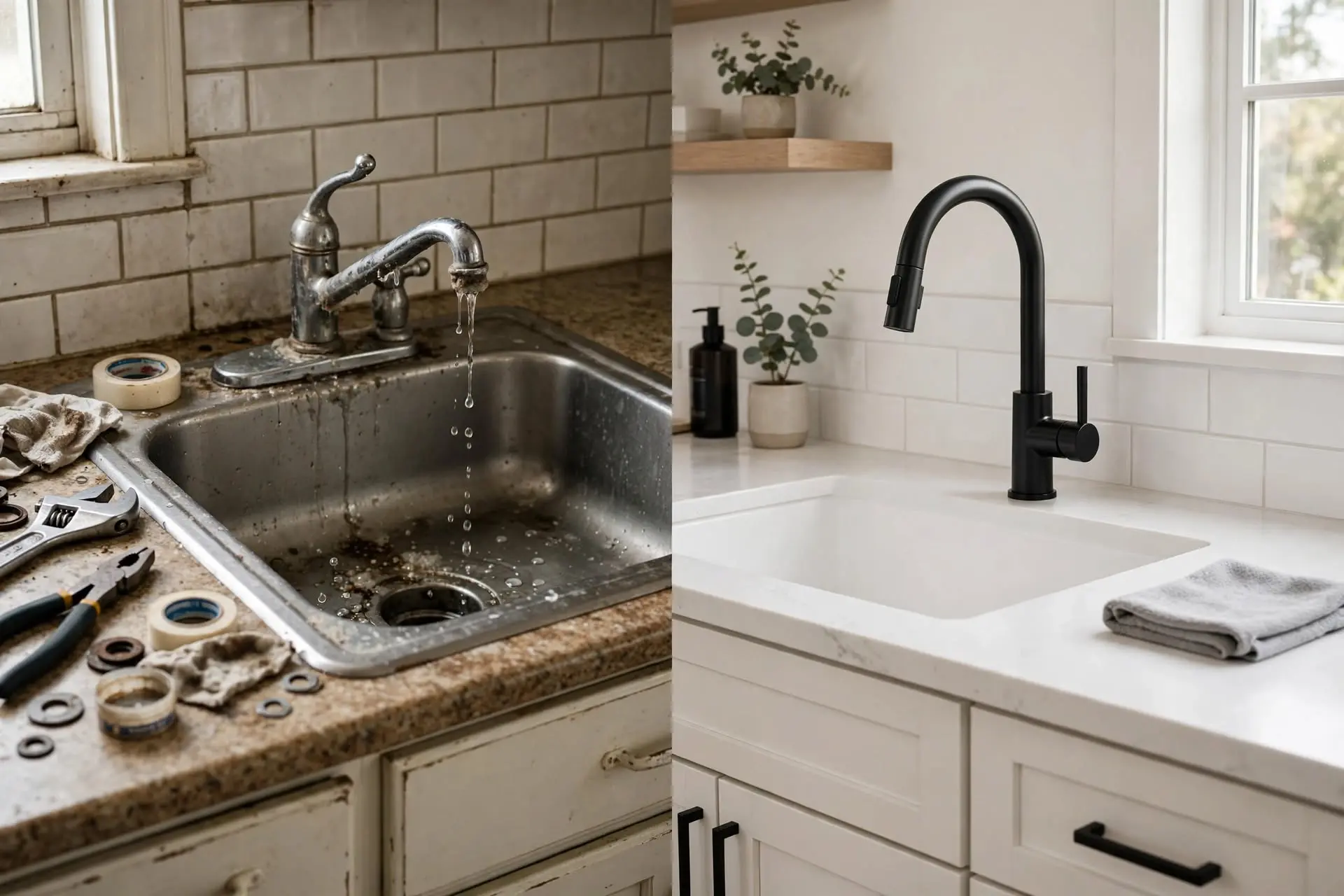
A faucet dripping once per second wastes about 8 gallons per day. One drip per second feels minor, but that comes out to nearly 3,000 gallons per year. A showerhead with a slow leak can waste even more because the flow rate is higher and the leaks often run longer before anyone notices.
Most faucet drips are caused by a worn O-ring, washer, or cartridge inside the fixture. These are inexpensive parts, and for common faucet brands, replacement kits are available at any hardware store for $10 to $20. If you are handy, you can complete the repair in under 30 minutes. If you are not, a plumber can fix it in a single visit.
Showerheads that drip usually need either a cartridge replacement behind the wall or a full showerhead swap if the issue is in the head itself. Mineral buildup from Goose Creek’s hard water contributes to valve failure over time, so cleaning your showerhead with vinegar every few months extends its life meaningfully.
Most dripping fixtures can be repaired without replacing the whole unit. Our faucet repair service handles both kitchen and bathroom faucets, and most jobs are under $150.
3. Shower Habits That Add Up Fast
The average shower uses about 2.5 gallons per minute with a modern showerhead, and 5 or more gallons per minute with an older one. A 10-minute shower uses 25 to 50 gallons depending on your fixtures. Multiply that by every person in the household, every day, and the numbers get significant.
The fix is partly behavioral and partly hardware. If your showerhead is older than 10 years, replacing it with a WaterSense-labeled model cuts flow to 2 gallons per minute or less without noticeably affecting pressure or feel. A new low-flow showerhead costs $20 to $60 and installs in 5 minutes. For a family of four, this upgrade alone can save 20,000 gallons per year.
On the behavior side, cutting shower time from 12 minutes to 7 minutes saves about 15 gallons per shower, which works out to 5,000 gallons per year per person. A simple waterproof timer in the bathroom helps, especially for teenagers who do not track time naturally.
4. Hidden Supply Line Leaks You Do Not See
Some of the most expensive water waste comes from slow leaks in supply lines you cannot see. Under-sink connections, ice maker lines, dishwasher hoses, washing machine supply hoses, and outdoor irrigation lines all fail gradually and leak for weeks or months before you notice damage.
The test for this is simple. Shut off every fixture in your home, including toilets, and make sure no appliances are running. Check your water meter and note the reading. Wait 30 minutes without using any water. Check the meter again. If it has moved, you have a leak somewhere in the system.
Supply line leaks in the visible parts of your home are usually fixable in a single plumber visit. They tighten the connection or replace the braided hose, and the leak stops. Supply line leaks underground or inside walls require more work to locate and repair.
If you suspect a hidden leak but cannot find the source, our pipe leak repair service uses electronic leak detection to locate leaks inside walls or under slabs without cutting into finished surfaces.
5. Outdated Appliances and Fixtures
If your major water-using appliances are more than 15 years old, they are using significantly more water per cycle than modern equivalents. An old washing machine can use 40 gallons per load where a newer model uses 15 to 20. An old dishwasher uses 10 to 15 gallons per cycle where Energy Star models use 3 to 5.
You do not need to replace everything at once. As older appliances reach the end of their life, choose Energy Star or WaterSense replacements. The savings on water and energy over the appliance’s lifespan usually pay for the upgrade cost several times over.
For fixtures, the easiest upgrade is replacing pre-1994 toilets. Federal standards changed in 1994 and again in 2006, and the difference in water use between an old toilet and a modern high-efficiency model is enormous. A household with three old toilets can save over $300 per year simply by upgrading, and modern 1.28 gallon per flush toilets perform just as well as the old water-hungry ones.
How to Know If You Have Waste You Have Not Found
Even if you fix everything on this list, your home may still have hidden waste. Here is how to check for what you might have missed.
- Compare your water bill this month to the same month last year. Big jumps point to a new leak.
- Check your water meter before bed and again in the morning. If numbers change with no water use overnight, you have a slow leak.
- Walk your yard after a week of no rain and look for unusually green or soggy patches. These often indicate an underground line leak.
- Listen for running water inside walls when everything is shut off. A faint sound means water is moving somewhere it should not be.
- Check visible pipes in crawl spaces or basements for corrosion, white mineral buildup, or damp areas.
Get Your Water Waste Assessed Professionally
If your water bill has been climbing and you have fixed what you can see, the remaining waste is almost always coming from something hidden. A professional plumber can locate hidden leaks, check pressure regulator function, inspect supply lines, and give you a clear picture of where water is going that should not be.
Mueller’s Plumbing Service has been helping Goose Creek homeowners cut their water bills for over 30 years. We find hidden leaks, repair them properly, and give you honest recommendations on which fixture or appliance upgrades actually pay off. Call us at (843) 572-8522 or visit our residential plumbing services page to schedule an assessment. Every gallon you stop wasting is money that stays in your pocket.