Plumbing problems rarely show up out of nowhere. Almost every major failure we respond to in Goose Creek started as a small warning sign that the homeowner either did not notice or chose to ignore for a few weeks. By the time we get the call, what could have been a $200 fix has turned into a $3,000 or $5,000 repair job, often with water damage to drywall, flooring, or framing on top of the plumbing cost itself.
The good news is that most of these red flags are easy to spot once you know what to look for. After 30 years handling residential plumbing in Goose Creek and the Tri-County area, we have seen the same patterns over and over. The following 10 warning signs are the ones that most often get missed until the problem becomes expensive. If you are seeing any of these in your home, it is worth taking action now.
1. A Sudden Spike in Your Water Bill
Your water bill should be relatively stable month to month. If it jumps by $20, $50, or more without any real change in your household usage, that increase is almost always paying for water you are losing to a leak somewhere. It might be a toilet that runs intermittently, a slab leak under the foundation, a cracked pipe inside a wall, or an irrigation line underground. The longer it goes unchecked, the more expensive it becomes.
If your bill has climbed and you cannot explain why, read our guide on the top 5 culprits behind a sudden water bill jump in Goose Creek for a step-by-step way to find the leak yourself.
2. Damp Spots, Soft Drywall, or Discoloration on Walls or Ceilings
Water stains that appear on a wall or ceiling without any obvious source are one of the clearest indicators of a hidden pipe leak. Sometimes the leak is directly above the stain. Other times water travels along framing for several feet before showing up, so the actual leak may be elsewhere. Either way, the longer moisture sits in your wall cavity, the more damage it does to drywall, insulation, wood framing, and any nearby electrical.
These hidden leaks are what our professional pipe leak repair service was built to handle. The sooner a leak is located and repaired, the less intrusive and expensive the fix will be.
3. Drains That Have Gotten Slower Over the Past Few Weeks
A single slow drain is usually a localized clog near the fixture. Two or more drains moving slowly at the same time is a different story. That pattern often signals a developing blockage in the main sewer line, which affects the entire home and leads to full backups if not addressed quickly.
We cover this in detail in our article on what multiple drains clogging at once really means. If you are seeing slow drainage across multiple fixtures, take it seriously.
4. Gurgling or Bubbling Sounds Coming From Your Drains
Gurgling noises from a drain after water goes down, or bubbles rising in a toilet when the washing machine drains, are warning signs most homeowners ignore until they get a full sewer backup. These sounds mean air is trapped and escaping in ways the plumbing was not designed to handle, typically because of a partial blockage or venting issue.
Our full breakdown of gurgling drains and what they warn about explains exactly what is happening inside the line and why prompt action saves you from a much messier situation.
5. Water Pressure That Has Dropped Throughout the Home
A gradual drop in water pressure throughout the entire house usually points to one of three things: a main line leak, mineral buildup inside aging pipes, or a failing pressure regulator. None of these resolve on their own, and all of them get worse over time. If your showers feel weaker than they did six months ago and your faucets take longer to fill a pot, it is time to investigate.
Check our article on why water pressure drops in Goose Creek homes and how to fix it to narrow down the cause before you call anyone.
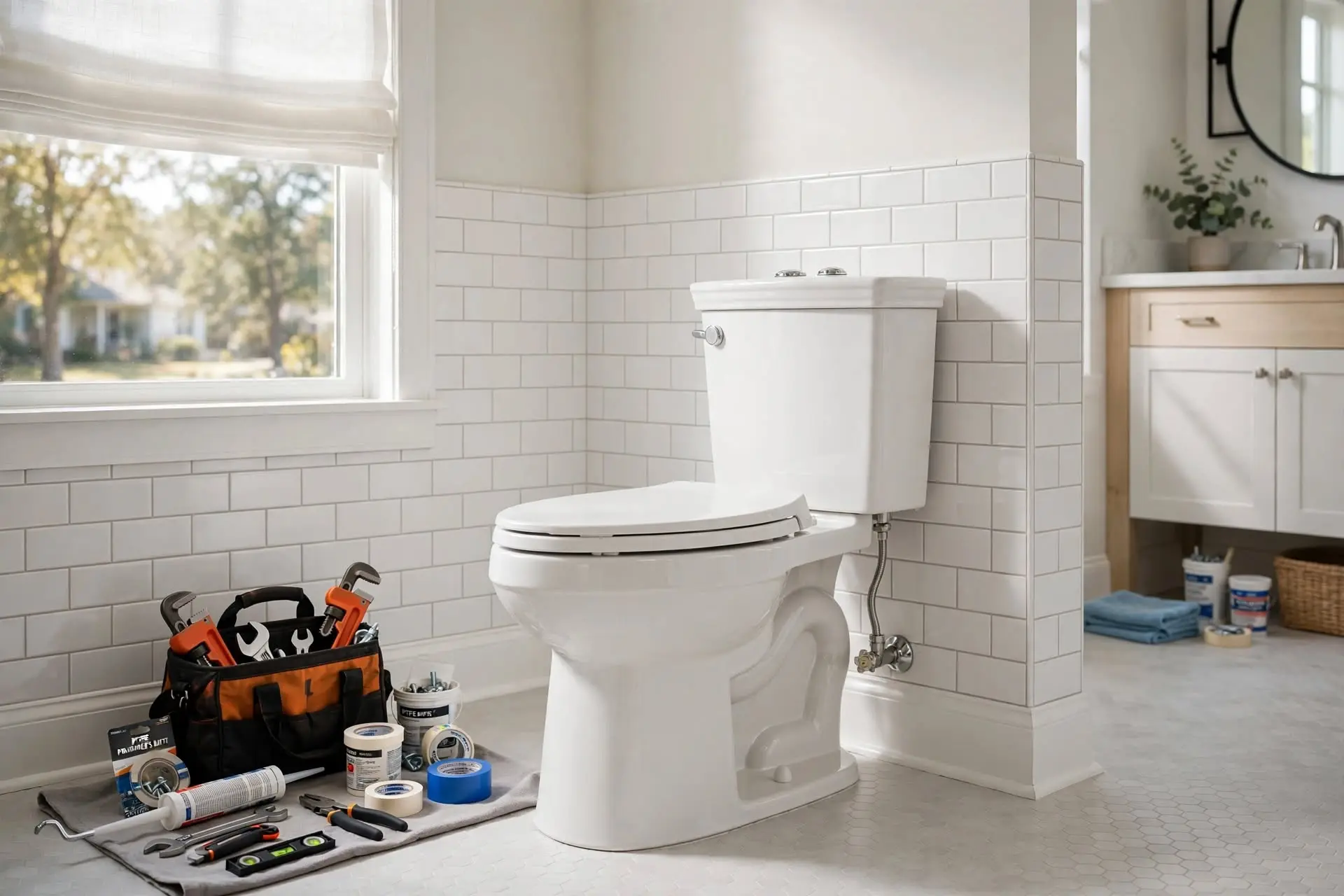
6. A Running or Leaking Toilet
A toilet that runs constantly or refills at random intervals can waste hundreds of gallons of water per day. The fix is usually a worn flapper or fill valve, both of which are inexpensive repairs. But ignored for months, a running toilet can add more than $500 to your annual water bill and quietly wear out other tank components at the same time.
Small toilet issues are covered by our toilet repair service, and most are resolved in a single visit.
7. Rust-Colored or Cloudy Water Coming From the Tap
Discolored water, especially from hot water taps, often means sediment is building up inside your water heater or corrosion is happening somewhere in the supply lines. Goose Creek’s hard water accelerates both. Rust-colored water usually indicates the inside of a pipe or water heater tank is breaking down, which is a problem that only gets worse from here.
For hot water specifically, our article on sediment buildup in Goose Creek water heaters explains what is happening and what can be done. If the issue is in the supply lines, our pipe leak repair service handles corroded line replacement.
8. A Musty or Sewage Smell That Will Not Go Away
A persistent musty smell in a specific part of your home usually means there is moisture sitting somewhere it should not be. That could be a slow leak, a cracked drain line, or a vent pipe issue. A sewage smell is even more urgent and often indicates a dry P-trap, a compromised drain line, or a venting problem that is letting sewer gases into the home.
Our detailed article on what a sewage smell from your drain actually means walks through the real causes and what each one requires.
9. Water Heater Popping, Rumbling, or Hissing
If your water heater has started making noises it did not make before, that is almost always sediment. As the unit heats water, the sediment layer at the bottom traps water that boils and bubbles through, creating the popping and rumbling sounds. Over time, this sediment reduces efficiency, shortens the unit’s lifespan, and can eventually damage the tank itself.
We cover this in full in our article on why your water heater is making popping noises. Catching this early often means a flush can extend the life of the unit by several years.
10. Visible Corrosion on Exposed Pipes
Take a quick look at any exposed pipes under sinks, behind the water heater, or in your crawl space. Green or white crusty buildup on copper, rust spots on galvanized steel, or visible pitting on any metal pipe are all signs that the pipe wall is deteriorating from the outside or inside. Corroded pipes are leaks waiting to happen, and they almost always fail at the worst possible time.
Our guide to spotting corroding pipes before they fail gives you a visual checklist you can use in 10 minutes to identify at-risk sections of your plumbing.
Why These Red Flags Get Expensive When Ignored
Every red flag on this list starts cheap to fix and gets more expensive the longer it sits. A $15 toilet flapper turns into a $400 toilet replacement when it warps the floor. A $200 drain snaking turns into a $4,000 sewer line excavation when roots finish their work. A $300 pipe leak repair becomes a $5,000 water damage restoration job when mold sets into drywall and framing. This pattern is exactly why early action matters so much.
It also matters because of how homeowners insurance handles plumbing damage in South Carolina. Policies generally cover sudden and accidental damage, but damage that results from a known, ignored issue can be denied. If a plumber has told you something needs attention and you choose to wait, your claim may not pay out when the failure happens.
What to Do If You Are Seeing Any of These Signs
If you are noticing any of these red flags in your Goose Creek home, the right move is to have a licensed plumber inspect the issue before it progresses. A simple diagnostic visit costs a fraction of what a failure repair costs, and most of these problems have straightforward fixes if caught early.
Mueller’s Plumbing Service has been handling residential plumbing across Goose Creek and the Tri-County area for over 30 years. We are a family-owned, licensed team, and we give honest recommendations about what actually needs fixing right now and what can wait. We do not push unnecessary work, and we do not leave problems half-solved.
Call us at (843) 572-8522 to schedule an inspection, or visit our residential plumbing services page to see the full range of repairs and installations we handle. If you want to stay ahead of problems altogether, take a look at our year-round plumbing maintenance guide for Goose Creek homes.
Catching these red flags early is the single most practical thing a homeowner can do to avoid the kind of plumbing repair bill that really hurts. Walk through your home this weekend with this list in hand and see what you find.