Living in South Carolina comes with a lot of good things. Warm weather most of the year, close beaches, and neighborhoods that actually feel like neighborhoods. But it also comes with a few things that are not so fun, and one of them is what the climate here does to residential plumbing over time. Humidity, shifting soil, hard water in certain areas, and the occasional cold snap all put stress on the pipes running through your home. The result is that leaks tend to show up in predictable places, and knowing where to look can save you thousands of dollars in water damage.
Most homeowners only find out about a leak after the damage is already done. A soft spot in the drywall, a warm patch on the floor, or a water bill that suddenly doubled for no reason. By then, water has been running somewhere it should not be for weeks or even months. Catching leaks early is all about knowing the weak spots and checking them before something goes wrong.
Slab Leaks Under the Foundation
A huge number of homes across the Lowcountry and Tri-County area are built on concrete slabs. The water and drain lines run right through that slab, and once a pipe down there starts leaking, you are dealing with one of the trickier problems in residential plumbing. The soil in this part of the state shifts and settles a lot more than people realize, especially after heavy rain or a dry stretch, and that movement puts pressure on the pipes sitting under your feet.
Signs that something is wrong under the slab include warm spots on the floor, the sound of running water when nothing is turned on, cracks showing up in interior walls, and a water meter that keeps ticking even when every faucet is off. If you notice any of those, it is worth getting a professional pipe leak repair service out to take a look before the problem spreads.
Pipes Running Through Exterior Walls
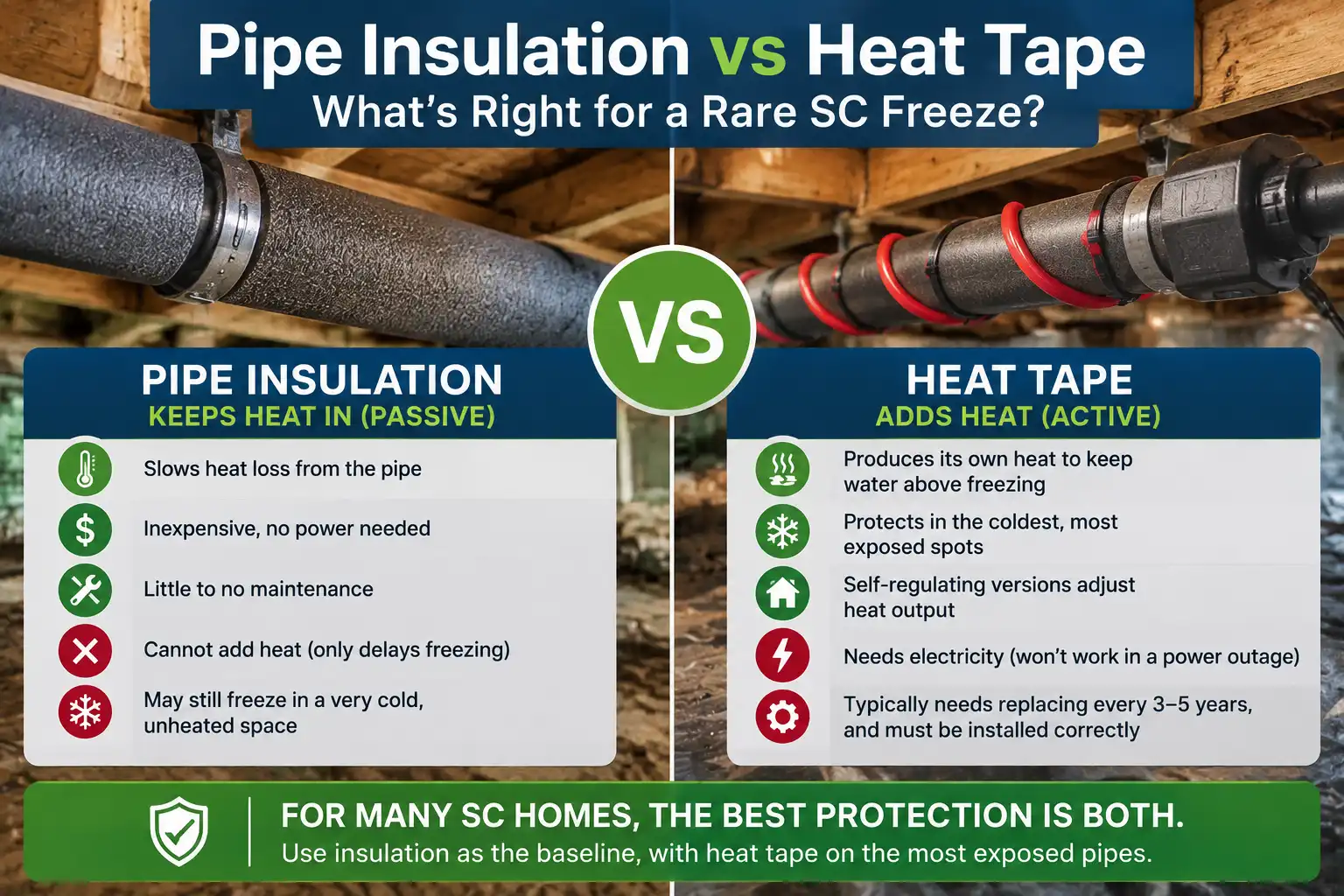
Pipes that sit inside exterior walls are another common trouble spot. During the few cold nights South Carolina gets each winter, these pipes can freeze fast because they do not have much insulation around them. Even a short freeze can crack a pipe, and once it thaws, you have water pouring into the wall cavity.
The tricky part is that freeze damage does not always show up right away. A small crack might drip slowly for weeks before anyone notices a stain forming on the drywall. By then, mold is already starting to grow inside the wall. Keeping an eye on exterior walls after a cold snap, especially ones on the north side of the house, is a simple habit that catches a lot of problems early.
Under Sinks & Behind Toilets
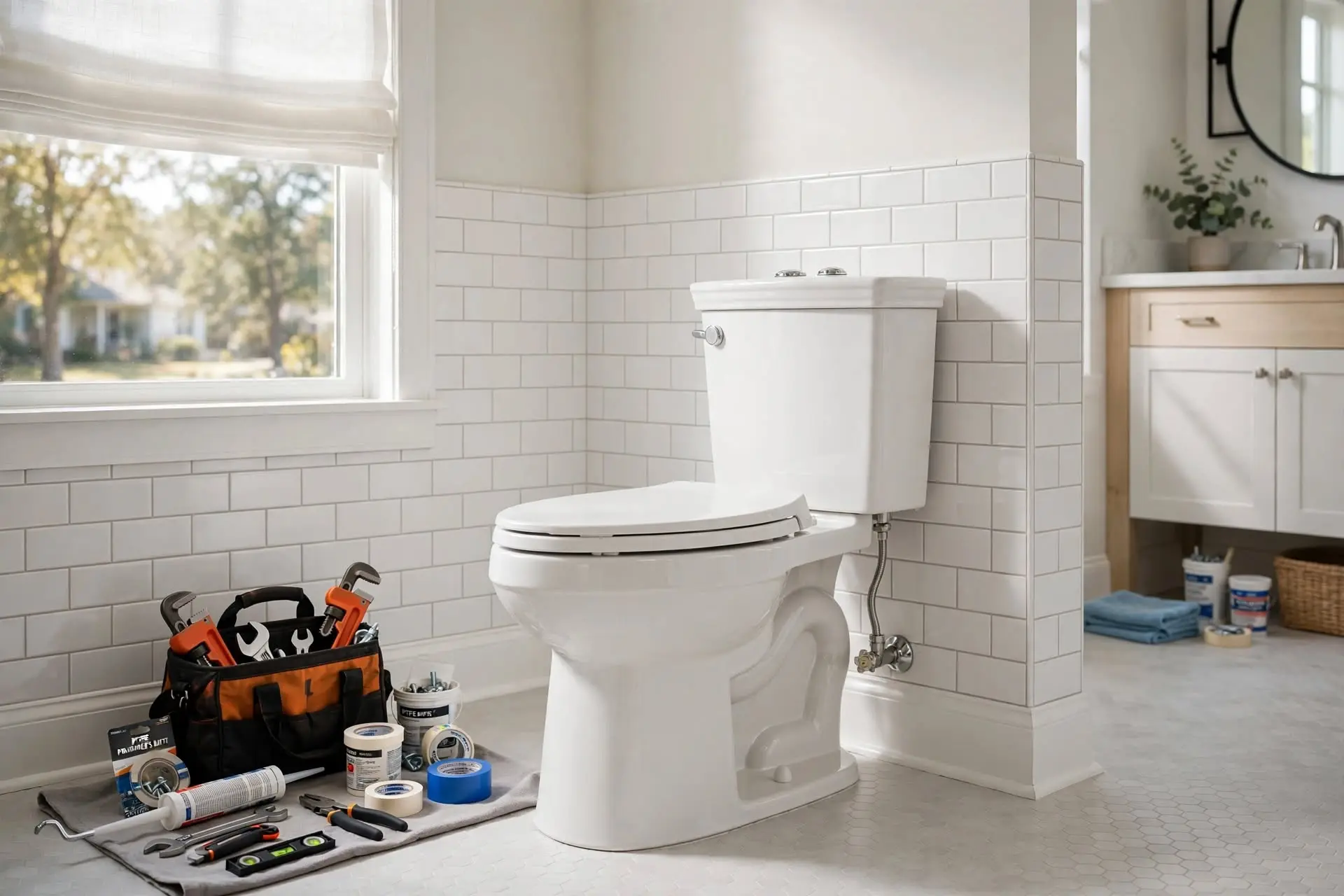
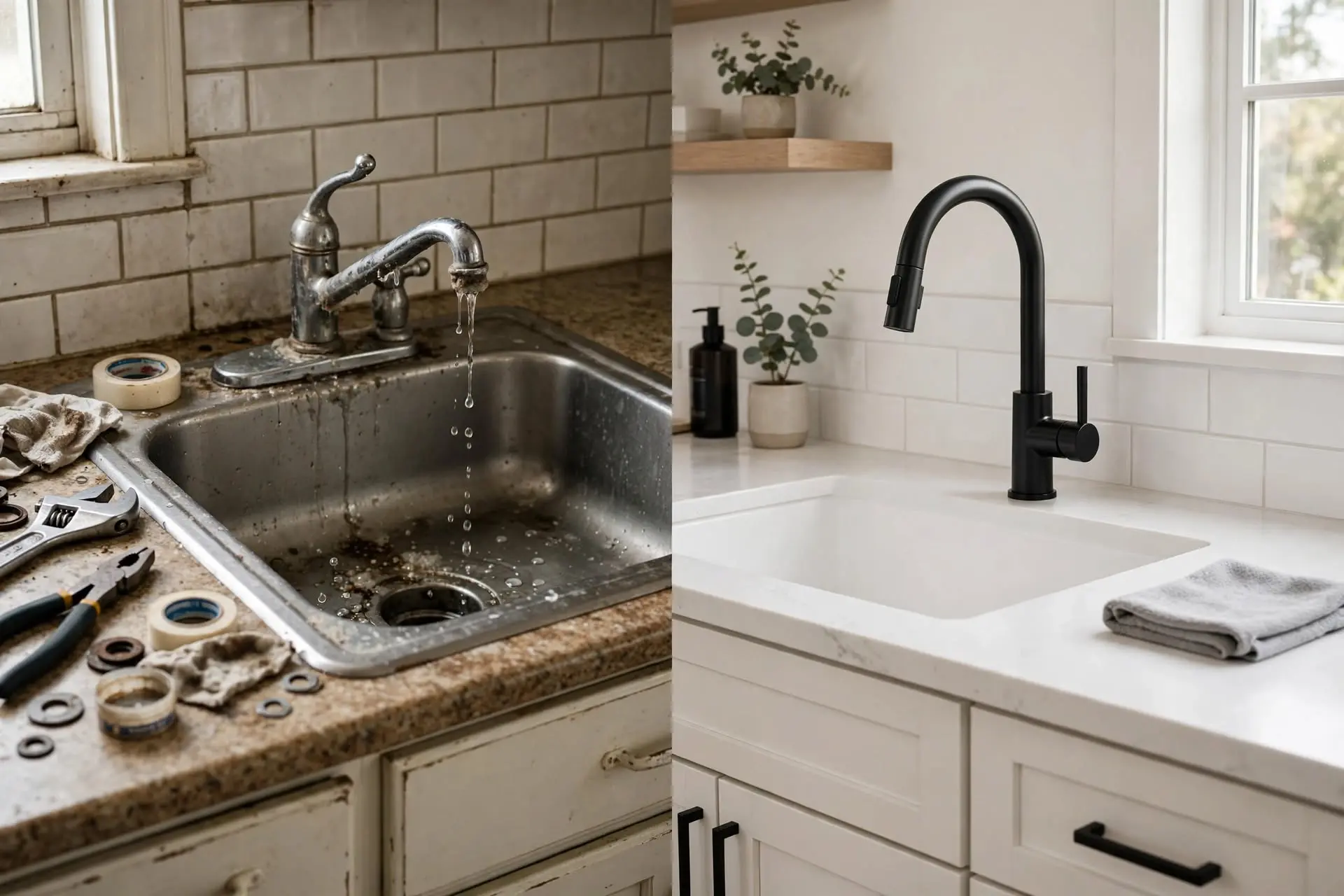
This one is easy to check and easy to forget about. The supply lines running to your sinks and toilets wear out over time. The braided stainless ones usually last longer, but the older rubber or plastic versions can crack or bulge without warning. A slow drip under the vanity might not seem like much, but over six months it rots out the cabinet base and creates a mold problem that costs way more to fix than the pipe ever would have.
Once a month, take two minutes to look under each sink and behind each toilet. Feel the supply lines, check for moisture, look at the floor around the base. If anything feels damp or looks discolored, that is your early warning.
Water Heater Connections
The connections going into and out of your water heater are another spot that tends to fail quietly. The constant heat cycling expands and contracts the fittings, and after years of that, you get small leaks around the inlet, outlet, or relief valve. If your water heater sits in a garage, attic, or closet, a slow leak can go unnoticed for a long time.
Look at the floor around the base of the unit every few weeks. Any rust stains, puddles, or mineral deposits mean something is leaking. The tank itself can also start to corrode from the inside out, and once that happens, you are looking at a full replacement and not just a repair.
Outdoor Spigots & Irrigation Lines
The outside of your home gets overlooked all the time when it comes to plumbing. Hose bibs, outdoor spigots, and irrigation lines are exposed to temperature swings, lawn equipment, and general wear. A cracked spigot can leak into the wall it is mounted on, which means water is getting into your home from the outside without you ever seeing it.
Turn on every outdoor spigot once a month and watch where the water goes. If any of them drip when shut off, or if the wall behind the spigot shows any staining, that is a problem worth addressing before it gets bigger.
Catching It Early Matters
The difference between a small repair and a major renovation usually comes down to how fast you notice something is off. Check your water meter late at night when nothing is running. If it is still moving, water is going somewhere. Walk around your house once a month and look for spots that feel damp, smell musty, or look discolored. Keep an eye on the water bill for unexplained jumps.
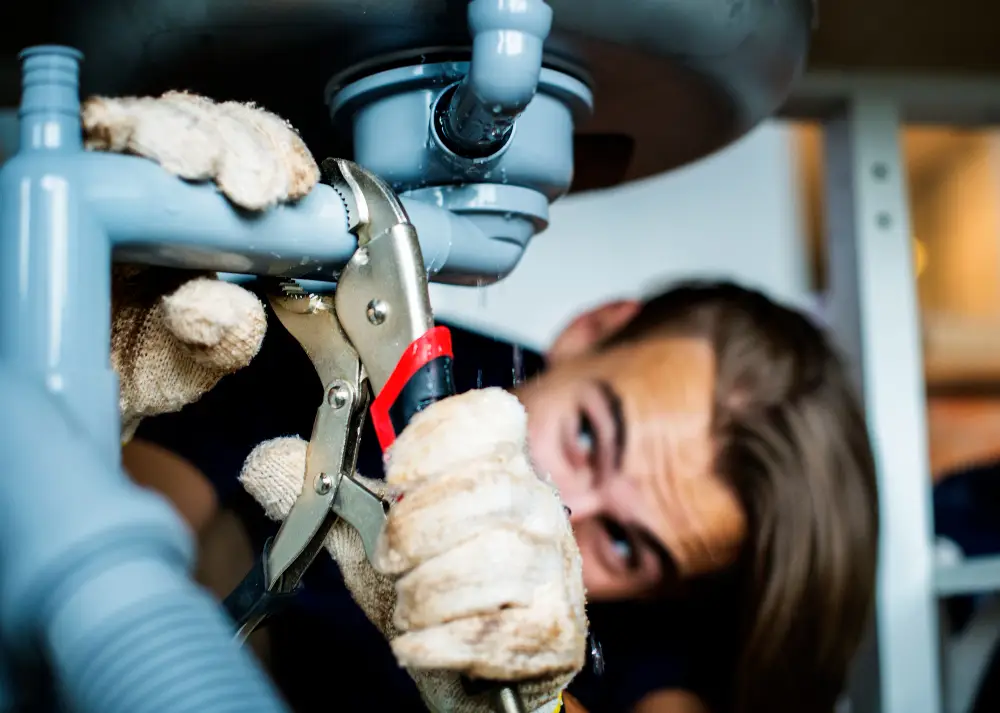
South Carolina homes take a beating from the climate, and plumbing problems are going to happen eventually. The goal is not to avoid them entirely. It is to catch them early enough that a quick pipe leak repair is all you need, instead of a full wall rebuild and a mold remediation bill.