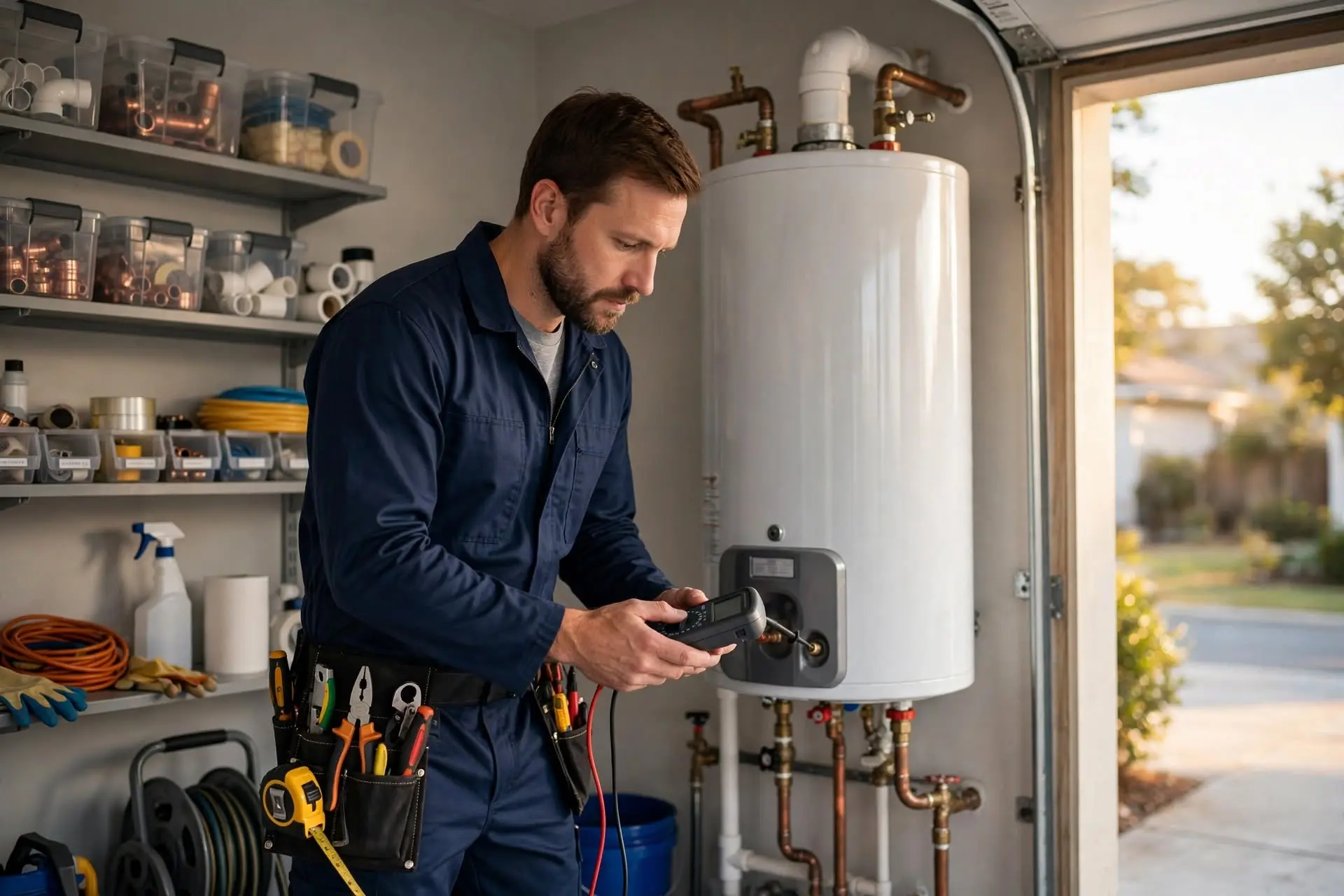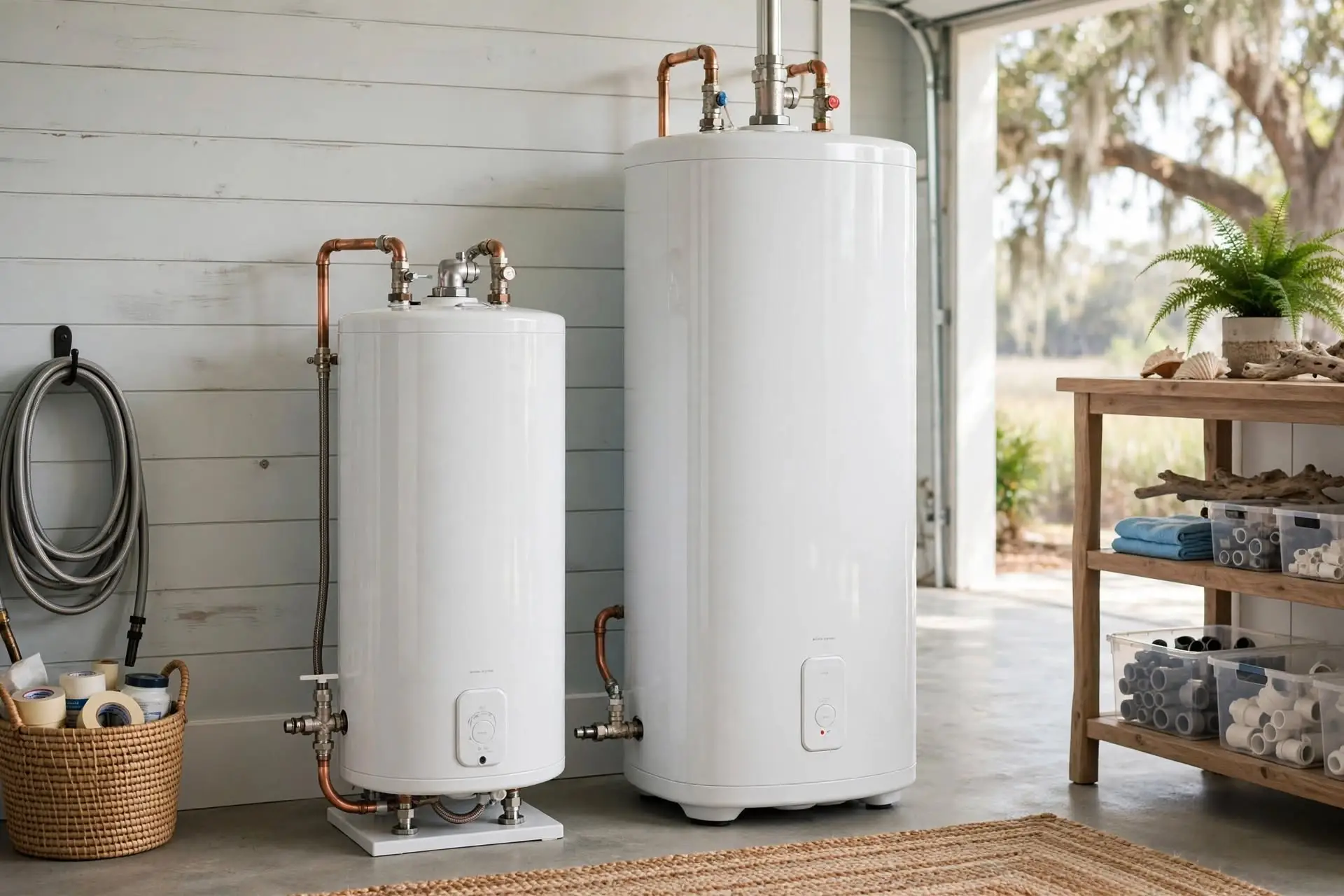
A water heater that won’t ignite is more than just inconvenient, it can disrupt your entire household routine. Whether your pilot light went out or your water heater stopped producing hot water, knowing how to relight a water heater safely is essential. This guide walks you through the process like a professional plumber would, ensuring safety, efficiency, and long-lasting performance.
Quick Answer: How to Relight a Water Heater
If you need a fast solution, here’s a step-by-step overview:
- Turn OFF the gas supply and wait 5–10 minutes to let residual gas dissipate.
- Locate the pilot light assembly on your water heater.
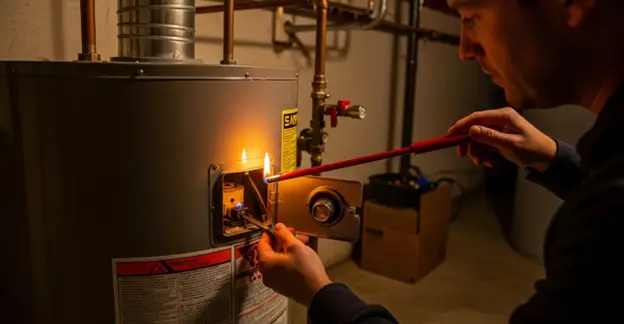
- Press and hold the pilot button while igniting with a long lighter or match.
- Observe the flame until it stabilizes.
- Restore the gas control to “ON” and adjust the thermostat if needed.
- Test water heating after a few minutes to ensure proper operation.
This method works for most standard gas water heaters and is the safest way to relight your system without causing gas leaks or damage.
Understanding Why Water Heaters Go Out
Water heaters don’t simply fail, they usually give warning signs. Understanding the causes helps prevent recurring issues.
- Common causes: Pilot light failure, gas supply interruption, or faulty thermocouple.
- Safety mechanisms: Many heaters automatically shut off the pilot to prevent gas leaks.
- Differences in systems: Gas water heaters use a pilot flame, while tankless models rely on electronic ignition.
- Signs your heater needs relighting: No hot water, unusual odors, or intermittent heating.
Recognizing these early signs ensures you can act safely and avoid emergency repairs.
Tools & Safety Preparation Before You Begin
Essential Tools Checklist
Before starting, gather:
- Long lighter or match
- Screwdriver (for access panel if needed)
- Flashlight
- Heat-resistant gloves
Having all tools ready makes the process faster and safer.
Critical Safety Precautions
- Always turn gas control to OFF and wait several minutes.
- Ventilate the area to prevent gas buildup.
- Keep open flames away from potential leaks.
- Confirm no flammable objects are nearby.
Following these steps minimizes risks and ensures a controlled ignition.
How to Relight a Water Heater
Step 1 – Turn Off Gas and Wait
Safety is paramount. Switch the gas valve to OFF and wait 5–10 minutes for any lingering gas to dissipate. This prevents accidental ignition or fire.
Step 2 – Locate Pilot Light
- Remove the access panel, if necessary.
- Identify the pilot assembly near the bottom of the tank.
Step 3 – Prepare for Ignition
- Set the gas control valve to Pilot mode.
- Press and hold the pilot button to allow gas flow to the pilot light.
Step 4 – Ignite the Pilot Light
- Use a match or long lighter to ignite the pilot.
- Hold the pilot button 30–60 seconds until the flame stabilizes.
Step 5 – Turn Gas Control to ON
- Slowly release the pilot button.
- Adjust your thermostat if required for the desired water temperature.
Step 6 – Test Water Heater
- Run hot water from a faucet.
- Ensure the flame remains lit and water heats properly.
Step 7 – Troubleshoot if Flame Doesn’t Hold
- Inspect the thermocouple for damage.
- Clean a clogged pilot orifice.
- Call a professional if the problem persists.
Common Problems When Relighting a Water Heater (And How to Fix Them)
Thermocouple Failure
- Symptoms: Pilot won’t stay lit, intermittent heating.
- Fix: Replace with a compatible thermocouple.
Clogged Pilot Orifice
- Symptoms: Weak or no flame.
- Fix: Clean the orifice carefully with a needle or compressed air.
Gas Supply Issues
- Symptoms: No gas flow or irregular flame.
- Fix: Check valves, regulators, and supply lines.
Safety Lockouts
- Many modern heaters prevent ignition if a fault is detected.
- Reset procedures vary; follow the manufacturer’s instructions.
Water Heater Relighting Methods & Their Effectiveness
| Method | Speed | Safety | Best For | Risk Level |
| Manual Pilot Ignition | Fast | Medium | Standard gas heaters | Low if done carefully |
| Electronic Ignition Reset | Very Fast | High | Modern water heaters | Very Low |
| Thermocouple Replacement + Relight | Moderate | High | Persistent pilot issues | Low |
| Professional Service | Slow | Very High | Complex or faulty heaters | Minimal |
Signs Your Water Heater Needs Relighting
No Hot Water Supply
A complete loss of heating is the most obvious indicator.
Pilot Light Is Out
Visual confirmation is quick and effective.
Strange Noises or Odors
Gas smells, popping, or unusual sounds indicate a potential problem.
Intermittent Heating
The heater shuts off unexpectedly, requiring relighting.
Gas vs Electric Water Heater Relighting (Key Differences)
| Feature | Gas Water Heater | Electric Water Heater |
| Relight Required | Yes, pilot may go out | No pilot, only circuit reset |
| Tools Needed | Lighter, screwdriver | None, mostly electrical access |
| Safety Risks | Gas leaks, burns | Electrical shock |
| Time to Restore | 5–15 mins | 1–5 mins (reset breaker) |
FAQs About How to Relight a Water Heater
How to relight a water heater if pilot won’t stay lit?
Check the thermocouple or gas flow; both may need attention.
Is it safe to relight a water heater yourself?
Yes, with proper safety steps and ventilation.
Why does my water heater pilot light keep going out?
Common causes include a dirty pilot, thermocouple failure, or gas supply issues.
Can I relight a tankless water heater?
Only follow manufacturer instructions; most rely on electronic ignition.
How often do I need to relight a water heater?
Rarely, typically after power outages, gas interruptions, or maintenance.
What tools do I need to relight a water heater?
Long lighter, screwdriver, flashlight, heat-resistant gloves.
How long should I hold the pilot button when relighting?
Usually 30–60 seconds until the flame stabilizes.
Should I call a professional if relighting fails?
Yes, persistent failure may indicate a thermocouple or gas line issue.
Final Thoughts: Safely Relighting Your Water Heater
Relighting a water heater is a manageable task when done correctly. Always prioritize safety first, follow manufacturer instructions, and ensure proper ventilation before ignition. Regular inspection prevents pilot outages and keeps your home’s hot water system reliable.
When in doubt, consult a professional plumber for expert guidance. By following these steps, you’ll ensure your water heater works efficiently, safely, and consistently.