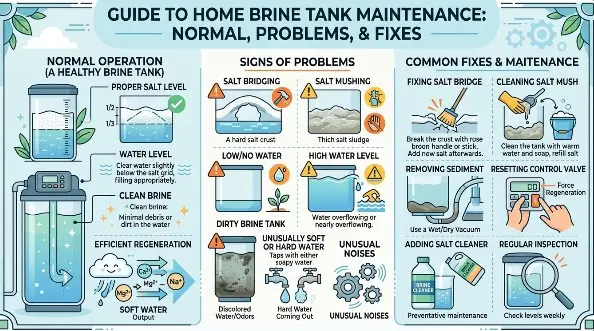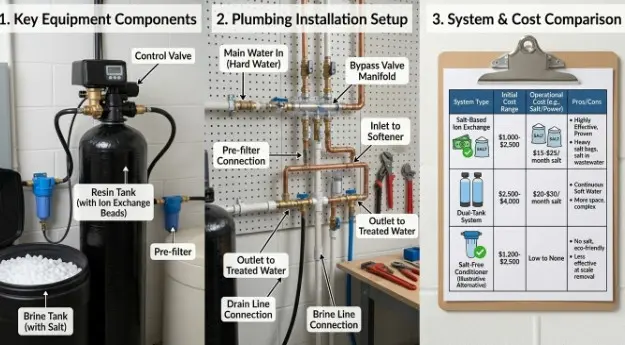
Clean, good-tasting water is something most people expect every day, but many households struggle with unpleasant flavors in their tap water. Whether it tastes like chlorine, metal, or has an earthy aftertaste, it can make hydration less enjoyable and even raise concerns about water quality.
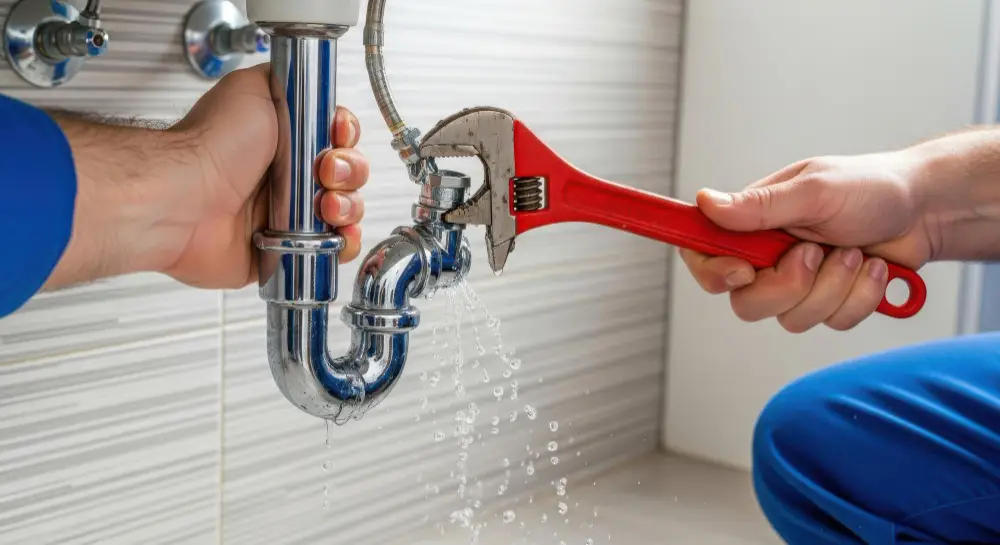
The good news is that learning how to make tap water taste better is simple once you understand the cause. With the right combination of filtration, storage methods, and natural enhancements, you can dramatically improve the flavor of your drinking water at home without relying on expensive bottled water or dealing with ongoing Residential Plumbing Goose Creek issues that may contribute to unpleasant taste problems in your water supply.
This guide breaks everything down into practical, science-backed steps so you can enjoy fresh, clean-tasting water every day.
Short Answer — How to Make Tap Water Taste Better?
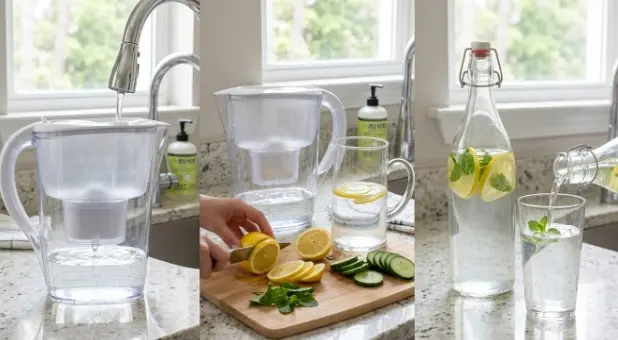
The fastest way to improve tap water taste is by filtering it (using a pitcher, faucet filter, or reverse osmosis system), chilling it, or adding natural flavor enhancers like lemon or cucumber. These methods reduce chlorine taste, remove impurities, and make water more refreshing.
Quick Fixes for Improving Tap Water Taste Immediately
If you need instant improvement, try these:
- Use a water filter pitcher or faucet filter
- Chill tap water in the refrigerator
- Add natural flavor enhancers like lemon or cucumber
- Let water sit in an open container to reduce chlorine taste
- Use ice cubes made from filtered water
These simple methods can significantly improve taste within minutes.
Why Does Tap Water Taste Bad?
Understanding the cause helps you choose the right solution for better water quality.
Common Reasons Tap Water Has an Unpleasant Taste
Tap water may taste off due to:
- Chlorine or chloramine used for disinfection
- High mineral content (hard water)
- Old plumbing or pipe corrosion
- Sediment or organic compounds in water supply
- Water storage issues in tanks or municipal systems
Each cause affects taste differently, from chemical-like flavors to metallic or earthy notes.
Is Bad-Tasting Tap Water Safe to Drink?
In most cases, yes, bad taste does not always mean unsafe water. However, taste changes can sometimes signal underlying issues.
- Taste vs safety: Chlorine taste is usually safe, but metallic or rotten egg smells may require testing
- Warning signs: Sudden changes in taste, odor, or color should not be ignored
How to Make Tap Water Taste Better?
There are several proven methods depending on your needs, budget, and water quality issues.
Filtration Methods That Improve Taste
Filtration is the most effective long-term solution.
- Activated carbon filters remove chlorine and odors
- Reverse osmosis systems provide deep purification
- Faucet-mounted filters offer convenient daily use
- Whole-house filtration systems treat all water entering the home
Each system improves taste by removing contaminants and dissolved chemicals.
How to Make Tap Water Taste Better? Using Home-Based Solutions
Practical home methods include:
- Refrigerator filter systems for chilled, clean water
- Water filter pitchers for quick daily use
- Boiling and cooling water to reduce chlorine
- Storing water in stainless steel or glass containers
These solutions are affordable and easy to maintain.
Guide to Making Tap Water Taste Better
If you want a structured approach, follow these steps:
Step 1 — Identify the Taste Problem
First, determine what you’re dealing with:
- Chlorine smell → chemical disinfection
- Metallic taste → possible pipe corrosion
- Earthy or musty flavor → organic compounds
Step 2 — Choose the Right Filtration Method
Select based on your needs:
- Pitcher filter → basic improvement
- Faucet filter → daily kitchen use
- Reverse osmosis → complete purification
Step 3 — Improve Storage Conditions
Storage plays a big role in taste:
- Store water in clean glass bottles
- Keep refrigerated for freshness
- Avoid plastic containers that affect flavor
Step 4 — Add Natural Flavor Enhancers
Enhance taste naturally:
- Citrus fruits like lemon and lime
- Fresh herbs like mint
- Cucumber slices for a refreshing taste
Step 5 — Maintain Your Filtration System
Maintenance ensures consistent water quality:
- Replace filters regularly
- Clean storage containers often
- Follow manufacturer guidelines
Best Ways to Improve Tap Water Taste
| Method | Effectiveness | Cost | Maintenance | Best For |
|---|---|---|---|---|
| Water Filter Pitcher | Medium | Low | Low | Everyday home use |
| Faucet Filter | High | Medium | Medium | Kitchen use |
| Reverse Osmosis System | Very High | High | Medium | Complete purification |
| Boiling Water | Low | Very Low | None | Temporary fix |
| Fruit Infusion | Medium | Low | Low | Flavor enhancement |
| Refrigerator Filtration | High | Medium | Low | Cold drinking water |
Sub-Questions People Ask About Improving Tap Water Taste
Why does my tap water taste like chlorine?
Chlorine is added for disinfection, and its residual smell can remain in tap water.
Does boiling water improve taste?
Yes, it reduces chlorine, but it does not remove dissolved minerals.
Is filtered water better than bottled water in taste?
Often yes filters remove chlorine while keeping water fresh without plastic aftertaste.
Can plumbing affect water taste?
Yes, old or corroded pipes can cause metallic or unpleasant flavors.
How long should water sit before drinking for better taste?
About 30–60 minutes can reduce chlorine through natural evaporation.
Do water softeners improve taste?
They improve texture but may not fully remove taste-related contaminants.
Why does cold water taste better than warm tap water?
Cold temperatures suppress odors and enhance perceived freshness.
Common Mistakes When Trying to Improve Tap Water Taste
Avoid these errors:
Using unclean containers
Dirty bottles can reintroduce odors and bacteria.
Not replacing filters on time
Old filters lose effectiveness and may worsen taste.
Ignoring pipe contamination issues
Sometimes the issue is plumbing, not water source.
Overusing artificial flavor additives
Excess additives can mask rather than solve the problem.
Assuming all filters remove all contaminants
Different filters target different impurities.
Health and Safety Considerations
When Bad Taste May Indicate a Water Quality Problem
- Metallic taste → pipe corrosion
- Rotten egg smell → sulfur presence
- Earthy taste → organic contamination
When to Test Your Tap Water
You should test if you notice:
- Persistent bad taste
- Visible sediment
- Changes in smell or color
Preventing Bad-Tasting Tap Water in the Future
Regular Filter Maintenance
Ensures consistent performance.
Plumbing System Upgrades
Replaces old pipes that affect taste.
Annual Water Quality Testing
Helps detect early contamination issues.
Using Certified Filtration Systems
Ensures safety and taste improvement.
Proper Water Storage Practices
Prevents odor and contamination buildup.
FAQs About How to Make Tap Water Taste Better?
What is the fastest way to improve tap water taste?
Using a filter pitcher or adding lemon provides immediate results.
Does tap water taste better with filters?
Yes, filters remove chlorine and impurities affecting flavor.
Can lemon really improve water taste?
Yes, citrus masks odors and enhances freshness.
Why does my tap water taste different at night?
Temperature and pressure changes in pipes can affect taste.
Is refrigerator-filtered water better than bottled water?
Often yes, due to freshness and lack of plastic taste.
How often should I change my water filter?
Typically every 2–3 months depending on usage.
Does hard water affect tap water taste?
Yes, high minerals can create a chalky or metallic flavor.
What is the healthiest way to improve water flavor?
A combination of filtration and proper storage is best.
Conclusion — Best Way to Improve Tap Water Taste Long-Term
Improving tap water taste is not just about masking unpleasant flavors it’s about identifying the cause and applying the right long-term solution.
Key Takeaways
- Filtration is the most reliable long-term solution
- Natural methods provide quick improvements
- Water taste issues often indicate underlying quality or plumbing concerns
Final Thoughts
Clean, good-tasting water plays a major role in daily hydration and overall health. By combining proper filtration, smart storage, and routine maintenance, you can permanently improve water quality and enjoy fresher, better-tasting tap water at home every day.