If your drains keep clogging after you’ve had them snaked, the problem isn’t the snake — it’s that snaking only pokes a hole through the obstruction. The buildup on the pipe walls stays there, and it keeps collecting grease, debris, and scale until the drain slows down again. Hydro jetting cleans the entire interior of the pipe, not just the point of the clog. It uses high-pressure water to blast through grease, mineral buildup, and root material and leave the pipe walls clear from side to side. Our team has the right equipment for residential hydro jetting across Goose Creek and the Tri-County area, and same-day service is available. Call us at (843) 572-8522.
Hydro jetting is a drain and sewer cleaning method that uses water pushed through a specialized nozzle at pressures up to 4,000 PSI. The nozzle is inserted into the drain or cleanout and moved through the pipe, spraying water in multiple directions to cut through buildup on the pipe walls and flush it out of the line.
Unlike drain snaking, which physically breaks through the center of a clog and leaves residue on the pipe walls, hydro jetting cleans the full circumference of the pipe interior. The result lasts significantly longer because there’s less residual material left behind to accumulate again.
Some drain problems call for a snake. Others call for hydro jetting. Here are the situations where hydro jetting is the right tool.
If the same drain keeps clogging after it's been cleared, wall buildup is the likely cause. Hydro jetting removes that buildup rather than just pushing through it.
When multiple drains run slowly at the same time, the problem is usually in the main sewer line. Hydro jetting clears the main line more thoroughly than any other method.
Grease and organic buildup inside the pipe breaks down over time and creates odor. Hydro jetting removes the material causing it.
Cooking grease accumulates on pipe walls and narrows the interior over time. Hydro jetting cuts through it completely.
Hydro jetting won't remove large root masses on its own, but it's effective at clearing small-to-medium root growth and flushing the debris out of the line. It's often done alongside camera inspection to assess what remains.
When a sewer line is being lined with CIPP, the pipe must be clean before the liner goes in. Hydro jetting is the standard prep step for pipe lining jobs.
Clearing the drain system before putting a home on the market is a smart move. A slow drain or camera finding during a buyer's inspection can delay or affect a sale.
Both methods clear drains, but they’re different tools for different situations. Here’s how they compare.
| Hydro Jetting | Drain Snaking |
How it works | High-pressure water cleans full pipe interior | Rotating cable breaks through the clog |
What it removes | Grease, scale, roots, sludge, debris from pipe walls | The obstruction at the clog point |
Pipe wall cleaning | Full circumference | Center only |
Duration of result | Longer-lasting | Shorter-lasting when buildup is present |
Best for | Recurring clogs, main line cleaning, grease buildup | First-time clogs, soft blockages, quick fixes |
Upfront cost | Higher | Lower |
Snaking is the right first response for many clogs. When the clog keeps coming back or the problem is in the main line, hydro jetting is the better long-term solution.
Hydro jetting is effective at clearing a wide range of materials that accumulate inside residential drain and sewer lines.
that has cooled and solidified on the pipe walls is one of the most common causes of recurring kitchen drain clogs, and hydro jetting cuts through it completely.
in the small-to-medium range can be broken up and flushed out with a hydro jet. Larger root masses may require additional steps, but hydro jetting is part of most root intrusion treatments.
coat the interior of bathroom drain lines over time. Hydro jetting removes it and restores full-diameter flow.
from hard water deposits on the inside of pipes over years of use. High-pressure water breaks it loose and flushes it out.
in kitchen lines accumulate even with regular use of garbage disposals. Hydro jetting clears it efficiently.
that are small enough to be dislodged can be flushed out with hydro jetting. Larger foreign objects may need to be retrieved rather than flushed.
We don’t skip the diagnostic step before hydro jetting. Running high-pressure water into a pipe without knowing its condition first can cause damage if the pipe is compromised. Here’s how we approach every job.
Before the hydro jet goes in, we run a camera to identify what we’re dealing with and confirm the pipe can handle the pressure. This step also tells us where to focus the cleaning.
Different nozzle types are used for different situations. Grease buildup, root intrusion, and mineral scale each respond best to a specific nozzle configuration.
The hydro jet hose is fed into the drain through a cleanout or access point and advanced to the location of the obstruction.
The nozzle sprays water at high pressure in forward and rearward directions, cutting through buildup on the pipe walls and flushing debris toward the sewer.
After the cleaning is complete, we run the camera through again to confirm the pipe interior is clear and the line is flowing properly.
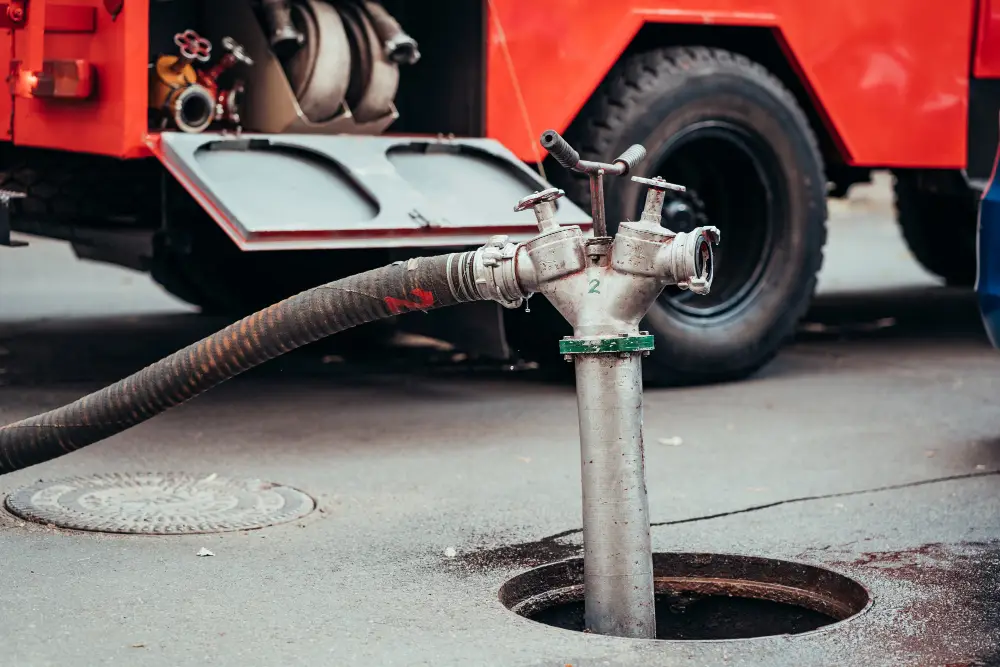
Hydro jetting is safe for PVC, copper, and cast iron pipes that are in good condition. The camera inspection we do before every job is specifically designed to catch any pipes that shouldn’t be subjected to high pressure. Pipes with significant corrosion, thin walls, or existing cracks could be damaged by high-pressure water, and we won’t hydro jet a line that isn’t in the right condition to handle it.
If the inspection reveals a compromised pipe, we’ll let you know and explain what the right next step is. Hydro jetting is a tool, and like any tool, it works well when it’s the right choice for the situation.
The cost of residential hydro jetting typically falls between $250 and $800 depending on the length of the line, the type and severity of the blockage, and how accessible the cleanout is. Jobs that require more setup or involve extensive root growth may fall toward the higher end of that range.
We provide a written estimate before any work begins. There are no charges added after the fact. Call or schedule online to get a quote for your specific situation.
EXCELLENTTrustindex verifies that the original source of the review is Google. I hired Muller's Plumbing to fix the plumbing in my shower and they were great. Very professional, polite, worked looked great, arrived on time and worked in a timely fashion. I would hire them again.Posted onTrustindex verifies that the original source of the review is Google. Knowledgeable and ready to get it done. Made the whole process of dealing with the insurance co, leak detection, restoration company SEAMLESS. Took all the stress away from a very stressful problem.Posted onTrustindex verifies that the original source of the review is Google. I needed to have a plumber come out on a Friday afternoon to check on a possible water leakage and Mueller Plumbing was able to come out in a timely manner and able to find the issue and fixed it quickly. Highly Recommend.Posted onTrustindex verifies that the original source of the review is Google. They were the only company in goose creek that would help us in a timely fashion. They shuffled around a few things to make sure my restaurant was able to stay open! We will use them again!Posted onTrustindex verifies that the original source of the review is Google. Grant installed our water heater a few years back, so I called him when we needed work done recently. He is very knowledgeable about the work he does, and he likes to make sure you are good to go before he leaves! One thing I would recommend, as with any company, make sure you are clear on pricing and what your quote covers.Posted onTrustindex verifies that the original source of the review is Google. I had Mr. Mueller come all the way out from Goose Creek to fix a burst pipe. He came and fix it quickly. I would recommend him to others, as he was honest in his work.Posted onTrustindex verifies that the original source of the review is Google. Grant is polite and an expert in his craft. I called him about a leak under my house and felt immediately reassured. He responds to calls with a degree of professionalism and motivation unmatched by most other tradesmen, and I feel utterly certain that he will be my plumber of choice for the foreseeable future.Posted onTrustindex verifies that the original source of the review is Google. Mueller Plumbing did an amazing job replacing a water heater in my mother's house. Clean, fast service. Very professionalPosted onTrustindex verifies that the original source of the review is Google. Had the pleasure of working with Mr. Mueller today to replace my kitchen faucet, his service was excellent and quick. Highly recommend to anyone and based of other reviews the consensus is nothing but good things to say all around. Will definitely be calling him again with any future issues.
We use the right equipment for residential hydro jetting, including the nozzle configurations that match different types of blockages. Every job starts with a camera inspection rather than a guess. Pricing is clear upfront, and we don’t recommend hydro jetting when snaking will resolve the problem just as well. Our team has been servicing drains across Goose Creek and the Tri-County area for more than 30 years, and we take the same approach on every job: find out what’s actually going on before recommending how to fix it.
Most homeowners don’t need hydro jetting on a regular schedule. It’s most commonly used when recurring clogs indicate buildup that snaking can’t fully address. Homes with heavy grease use or older clay pipes may benefit from periodic cleaning every few years.
That’s exactly what the camera inspection before every job is designed to prevent. If a pipe is too deteriorated to handle the pressure, we won’t hydro jet it. We’ll tell you what condition the pipe is in and what the appropriate next step is.
Most residential hydro jetting jobs are completed within one to three hours, depending on the length of the run and what the camera inspection reveals. Some jobs with more extensive buildup or root growth take longer.
Consumer-grade pressure washers don’t reach the PSI needed to clean pipe interiors the way a professional hydro jet does. Rental equipment exists, but using it without a camera inspection first creates a real risk of damaging compromised pipes. This is a job that’s worth having done by someone who can assess the pipe condition first.
It removes small-to-medium root growth effectively. For more established root intrusion, hydro jetting is often the first step, followed by a camera inspection to assess what remains and determine if additional repair or treatment is needed.
Let’s ask something to us! Reach out I’d love to hear about your question about our services.
