Living in Goose Creek and the broader Lowcountry means dealing with one of the highest water tables in South Carolina. Add the rain volume that comes with hurricane season, and the risk of basement or crawl space flooding becomes very real for a lot of homeowners. A sump pump is the most reliable way to protect that space before water has a chance to cause damage. Our team installs residential sump pump systems across Goose Creek and the Tri-County area, and we size and configure every system based on the specific conditions of the home rather than a one-size approach. Call us at (843) 572-8522 to get a quote before the next storm season arrives.
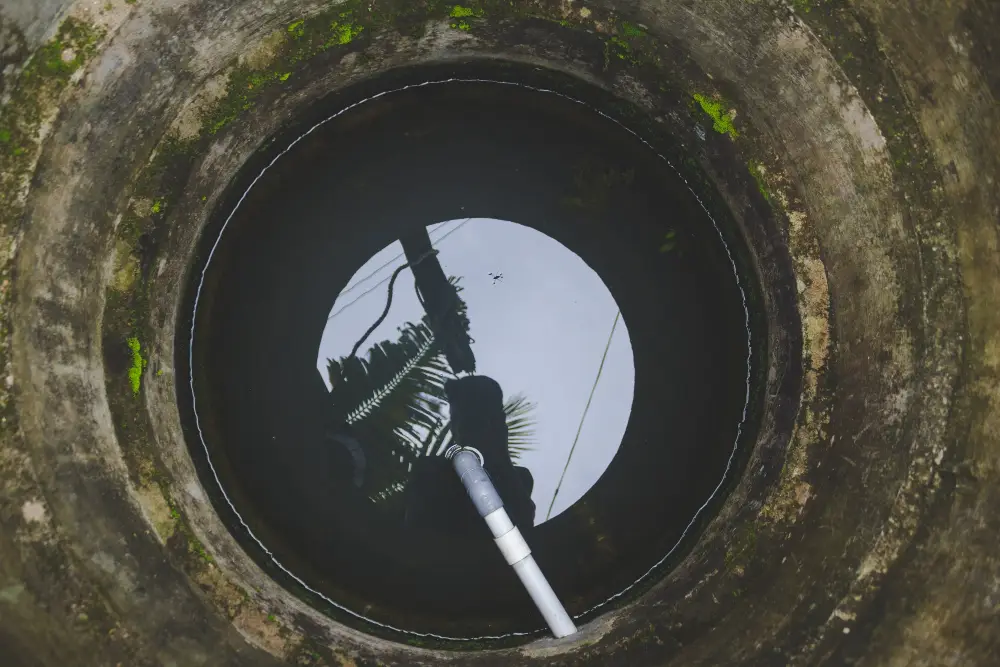
The Lowcountry’s coastal geography creates conditions that make sump pumps more than a precaution. Here’s why they matter in this area specifically.
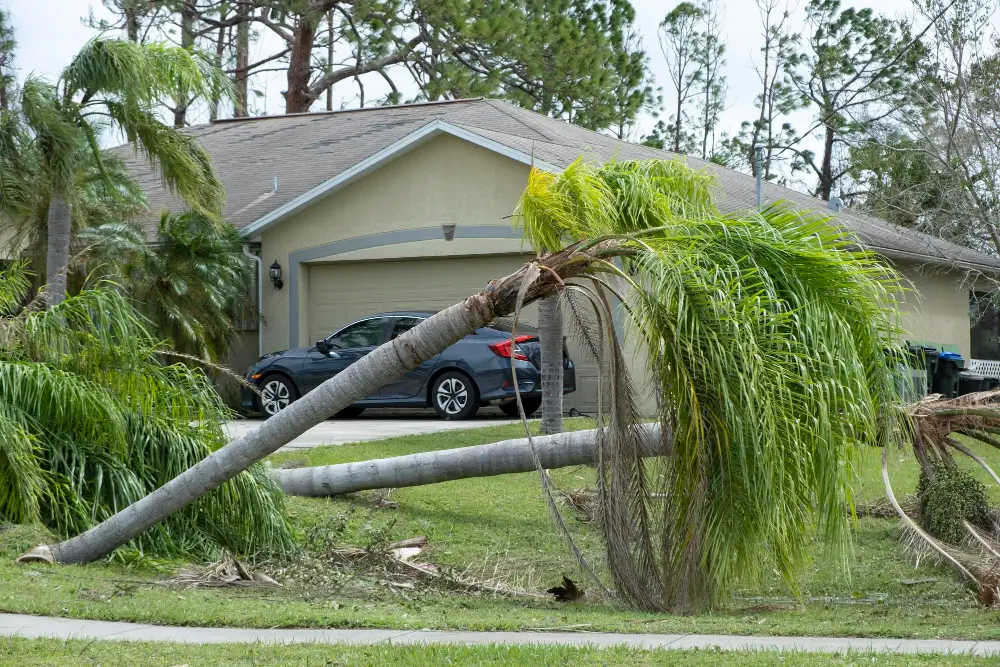
The water table in Berkeley, Charleston, and Dorchester counties sits relatively close to the surface in many neighborhoods. During prolonged rain events or storm surge conditions, groundwater rises fast and finds its way into crawl spaces and lower-level structures before most homeowners realize what’s happening. Tropical storms and hurricanes compound this by dumping several inches of rain in a short window, which overwhelms surface drainage systems.
Signs that your home may be at risk include a damp or musty crawl space after rain, visible standing water under the home after heavy storms, moisture stains on crawl space walls or piers, and mold growth in the lower levels of the home. If any of those are familiar, a sump pump system is worth serious consideration.
Sump pump systems aren’t all the same. The right type depends on the layout of your home, the severity of the water intrusion risk, and your budget. Here’s what each option offers.
Submersible sump pumps sit inside the sump pit below the water line. Because they’re sealed units designed to operate submerged, they run quieter than pedestal models and handle higher water volumes more effectively. They’re generally longer-lasting than pedestal pumps and better suited for homes where the sump pit fills quickly during storm events. Most residential installations in this area use submersible pumps for those reasons.
Pedestal pumps have the motor mounted above the pit on a stand, with only the intake sitting in the water. Because the motor stays dry, these units are easier to service and tend to have a longer motor lifespan. The tradeoff is that they’re louder during operation and not suited for pits that experience very high inflow volumes. They’re a reasonable choice for homes with smaller pits or lower water intrusion risk.
A battery backup sump pump is a secondary unit that activates automatically when the primary pump fails or when power goes out. In coastal South Carolina, power outages during the storms that cause the most flooding are common. A primary pump with no backup is a single point of failure at exactly the moment it’s most needed. Battery backup systems are strongly recommended for any home where flooding risk is real, and particularly for homes in areas prone to tropical weather.
The storm that floods your crawl space is also the storm most likely to knock out your power. That’s the core problem with relying on a primary pump alone. When power goes out, the primary pump stops, and if water keeps rising, it has nowhere to go.
A battery backup system operates independently of the home’s electrical supply. Most residential battery backup units can run the pump continuously for several hours on a full charge, which is enough to carry through most outages. Some systems use a combination of battery and water-pressure-activated backup, which adds another layer of protection.
We assess every installation for backup needs and recommend a backup system for any home where the flooding risk justifies it, which in Goose Creek and the surrounding communities is most homes with a crawl space.
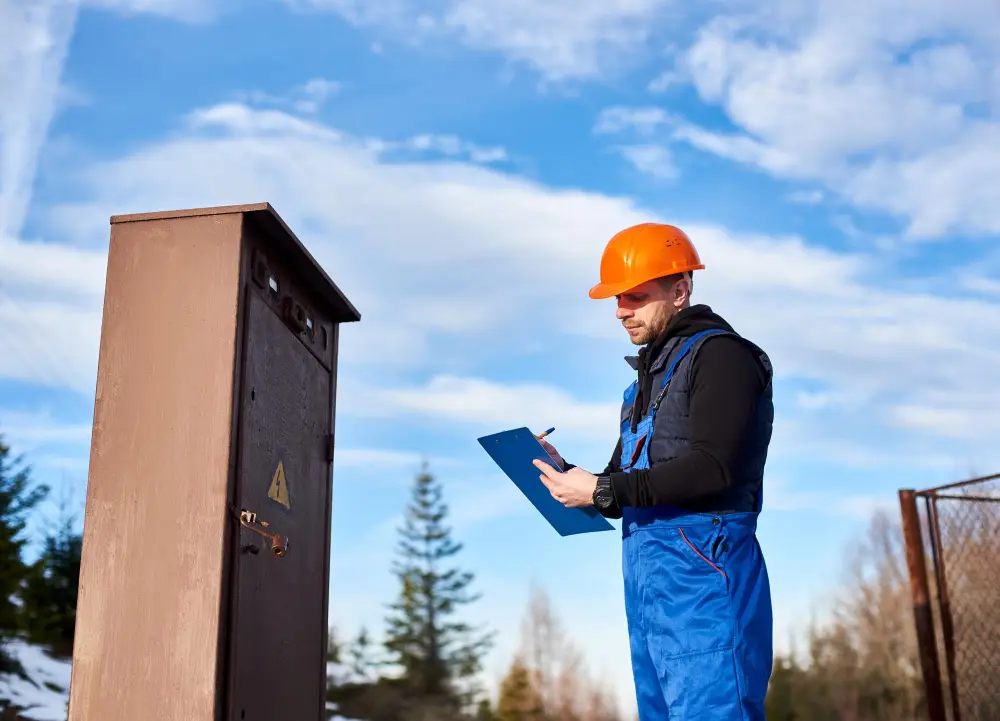
We evaluate the crawl space or basement to understand how water enters, where it collects, and what the inflow volume looks like during a storm event. This tells us where to position the pit and how large the pump needs to be.
Sump pump sizing is based on gallons per hour capacity relative to the expected inflow rate. An undersized pump that can’t keep up with inflow is nearly as bad as no pump at all. We calculate the right size for your home rather than defaulting to a standard unit.
We excavate the pit in the lowest point of the crawl space or basement floor, line it with a perforated basin, and set the pit to the correct depth.
The pump is set in the pit and connected to a discharge line that routes water away from the home’s foundation to an appropriate drainage point.
We fill the pit with water and run the pump through a full cycle to confirm it activates at the correct float level and drains the pit completely before shutting off.
If a backup system is included, we install and test it separately to confirm it activates correctly when the primary power supply is interrupted.
The cost of sump pump installation varies based on the type of pump, the scope of the pit work, and the inclusion of a battery backup system.
These ranges reflect the full installed cost including the pit, pump, discharge line, and labor. We provide a written estimate after the site assessment so you have a clear number before any work begins.
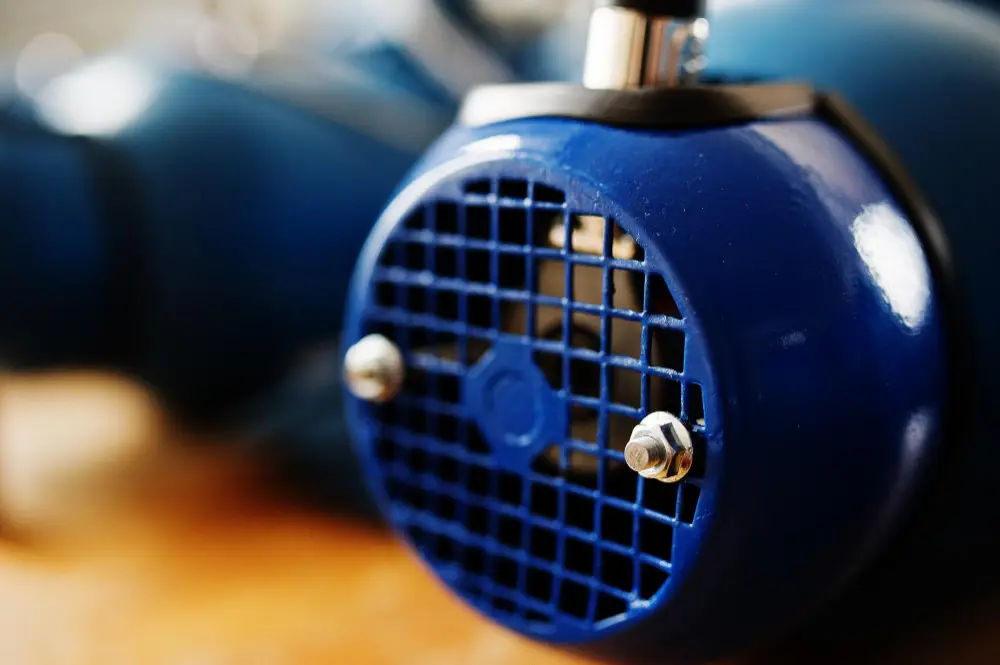
Picking the right pump size matters more than most homeowners realize. A pump rated at too low a gallons-per-hour capacity will run constantly and burn out early during a heavy rain event. A pump that’s significantly oversized cycles on and off too frequently, which also shortens its lifespan.
We calculate the right size based on the square footage of the area being protected, the expected inflow rate from groundwater and surface drainage, the depth of the water table in your specific location, and the length and elevation change of the discharge line. That calculation drives the pump selection, not a default recommendation from a shelf.
The time to install a sump pump is before hurricane season starts, not when a storm is already in the forecast. Installation during a storm event is difficult to schedule, and waiting until water is already in your crawl space means the damage is already underway.
We recommend scheduling sump pump installations in early spring before the peak of the Atlantic hurricane season, which runs from June through November. That gives the system time to be tested and confirmed working before conditions deteriorate. If you’ve already had a crawl space flooding event, call us as soon as conditions allow and we’ll get the assessment scheduled.
EXCELLENTTrustindex verifies that the original source of the review is Google. I hired Muller's Plumbing to fix the plumbing in my shower and they were great. Very professional, polite, worked looked great, arrived on time and worked in a timely fashion. I would hire them again.Posted onTrustindex verifies that the original source of the review is Google. Knowledgeable and ready to get it done. Made the whole process of dealing with the insurance co, leak detection, restoration company SEAMLESS. Took all the stress away from a very stressful problem.Posted onTrustindex verifies that the original source of the review is Google. I needed to have a plumber come out on a Friday afternoon to check on a possible water leakage and Mueller Plumbing was able to come out in a timely manner and able to find the issue and fixed it quickly. Highly Recommend.Posted onTrustindex verifies that the original source of the review is Google. They were the only company in goose creek that would help us in a timely fashion. They shuffled around a few things to make sure my restaurant was able to stay open! We will use them again!Posted onTrustindex verifies that the original source of the review is Google. Grant installed our water heater a few years back, so I called him when we needed work done recently. He is very knowledgeable about the work he does, and he likes to make sure you are good to go before he leaves! One thing I would recommend, as with any company, make sure you are clear on pricing and what your quote covers.Posted onTrustindex verifies that the original source of the review is Google. I had Mr. Mueller come all the way out from Goose Creek to fix a burst pipe. He came and fix it quickly. I would recommend him to others, as he was honest in his work.Posted onTrustindex verifies that the original source of the review is Google. Grant is polite and an expert in his craft. I called him about a leak under my house and felt immediately reassured. He responds to calls with a degree of professionalism and motivation unmatched by most other tradesmen, and I feel utterly certain that he will be my plumber of choice for the foreseeable future.Posted onTrustindex verifies that the original source of the review is Google. Mueller Plumbing did an amazing job replacing a water heater in my mother's house. Clean, fast service. Very professionalPosted onTrustindex verifies that the original source of the review is Google. Had the pleasure of working with Mr. Mueller today to replace my kitchen faucet, his service was excellent and quick. Highly recommend to anyone and based of other reviews the consensus is nothing but good things to say all around. Will definitely be calling him again with any future issues.
We know the water conditions in Goose Creek and the surrounding Tri-County area well enough to size systems correctly for local conditions rather than guessing. We’re a family-owned company with more than 30 years of local experience, licensed in South Carolina, and we stand behind every installation. We also offer service and maintenance for systems we install so your pump stays in working condition year after year.
A standard submersible pump installation in Goose Creek typically runs between $700 and $1,500. Adding a battery backup system brings the total to between $1,200 and $2,500 depending on the system capacity. We provide a written estimate after the site assessment.
For most homes in Goose Creek and coastal South Carolina, yes. Power outages during the storms that cause flooding are common in this area, and a primary pump with no backup leaves your crawl space unprotected during an outage. We recommend battery backup for any home where flooding risk is real.
Submersible pumps in residential installations typically last 10 to 15 years with proper maintenance. Pedestal pumps can last longer because the motor stays dry. Annual testing and periodic inspection help catch problems before the pump fails during a storm event.
The discharge line carries water from the pit to a drainage point away from the home’s foundation. This may be a dry well, a storm drain connection, a drainage swale, or a point at grade that slopes away from the structure. We confirm the discharge point during the site assessment to make sure water is routed away from the foundation rather than back toward it.
Testing the pump at least twice a year is a good practice, and testing before the start of hurricane season is particularly important. Testing is simple: pour water into the pit until the float activates, and confirm the pump runs and drains the pit completely. If the pump doesn’t activate or runs but doesn’t clear the pit, call a plumber before the next storm event.
Let’s ask something to us! Reach out I’d love to hear about your question about our services.
