South Carolina isn’t known for brutal winters, but Goose Creek gets cold snaps that catch a lot of homeowners off guard. When temperatures drop fast and pipes in crawl spaces, exterior walls, or unheated utility areas don’t have adequate protection, freezing happens. A frozen pipe that’s caught early can be thawed without lasting damage. One that goes unnoticed and ruptures sends water into the home until someone shuts off the main. Our team handles frozen and burst pipe emergencies across Goose Creek and the Tri-County area, 24 hours a day. If you have a pipe that’s frozen or you suspect one has already burst, call us now at (843) 572-8522.
Most homeowners in this part of South Carolina aren’t set up for hard freezes, which is exactly why frozen pipes happen here when they don’t in colder climates.
Crawl spaces are unheated and exposed to outside temperatures on all sides. When a cold snap hits, crawl space temperatures can drop fast, and pipes that would be fine in a conditioned basement are exposed.
Supply lines through exterior walls in older homes were sometimes installed without adequate insulation. When temperatures stay below freezing for an extended period, the pipe inside the wall can freeze.
Any pipe running through a space that isn't heated is at risk. Garage supply lines, outdoor shower connections, and irrigation supply lines near the foundation are common freeze points.
A frost-free bib is designed to drain the exterior section when turned off, but only if the hose is disconnected. A hose left attached traps water against the valve and the pipe freezes at the wall.
South Carolina service lines are often shallower than in colder climates, which means an extended hard freeze can affect buried lines in exposed areas near the foundation.
Catching a freeze before it becomes a burst is the best outcome. Here are the signs that a pipe may be frozen.
A single fixture going dry while others still have water usually points to a freeze on the supply line serving that fixture.
Any pipe with frost forming on the exterior is actively freezing. This gives you time to act before it ruptures.
Gurgling, crackling, or banging from a supply line during a cold snap can indicate ice forming inside.
Water expands as it freezes and in some cases deforms the pipe wall visibly. This means rupture is likely if the pipe isn’t addressed immediately.
If a pipe has already ruptured, the first visible sign is often a wet stain on a wall, ceiling, or floor near the affected pipe run.
If you suspect a pipe is frozen or has burst, a few steps limit the damage while you wait for us.
If the pipe has already burst, shutting off the main stops the flow immediately. Locate your main shutoff before winter so you’re not searching for it in an emergency.
Opening faucets on the affected line releases pressure and gives expanding ice somewhere to go. This can reduce the risk of rupture if the pipe hasn’t broken yet.
A torch near a frozen pipe creates a fire risk in wall cavities and crawl spaces. If the pipe has cracked, applying sudden heat this way can make the rupture worse.
Raising the interior temperature helps thaw pipes running through interior wall cavities. Opening the crawl space access hatch and pointing a space heater into the space helps for crawl space pipes.
We identify the section of pipe that has frozen or ruptured using inspection of likely freeze points, pressure tests, and visual inspection where the pipe is accessible.
For pipes that are frozen but haven’t yet burst, we use warm air tools to thaw the ice gradually rather than applying sudden heat that could cause the pipe to crack as it expands.
After thawing, we inspect the full run of the affected pipe for cracks, pinhole failures, and sections that were stressed by the freeze even if they didn’t rupture.
We repair or replace the sections of pipe that failed. The repair material matches the existing pipe type, and we pressure test the repair before considering it complete.
Before closing access, we insulate the vulnerable section of pipe so the same problem doesn’t repeat during the next cold snap.
A pipe that’s frozen but hasn’t burst yet is an opportunity. It can be thawed carefully, inspected for stress fractures, and insulated before it causes water damage.
A pipe that has burst is an emergency. Water needs to be off at the main until we arrive. The assessment includes not just the pipe but any building materials that got wet. Drywall, insulation, and subfloor that absorb water need to be dried and potentially replaced to prevent mold.
The cost difference between the two situations is significant, which is why acting quickly on the signs of a frozen pipe matters.
Costs depend on the extent of the damage and how accessible the affected pipe section is.
$200 to $400
$300 to $1,500 depending on the pipe location and length of the damaged section
Additional depending on the extent of access work
We provide a written estimate after assessing the damage. Emergency after-hours calls carry a higher rate than standard service calls, which we disclose upfront.
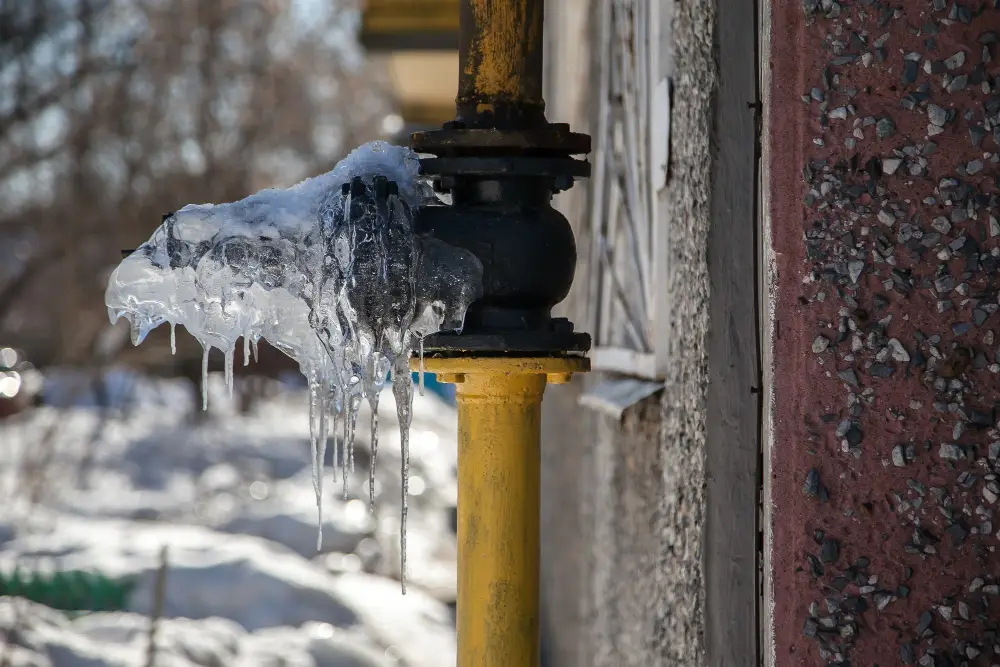
A freeze event in Goose Creek doesn’t wait for business hours, and a burst pipe at night causes as much damage as one in the middle of the day. We offer 24/7 emergency service for frozen and burst pipes during cold weather events. If you’re waking up to no water pressure or a wet ceiling after a cold night, call us immediately at (843) 572-8522.
Disconnect all garden hoses from outdoor bibs before any cold snap. Know where your main water shutoff is and confirm it works before cold weather arrives. Let faucets served by exterior wall pipes drip slowly when temperatures are forecast below 28 degrees Fahrenheit for more than four hours. Keep interior temperature at or above 55 degrees Fahrenheit even when the home is unoccupied during cold weather. Have crawl space and utility line pipes assessed for insulation before winter. Learn more about our pipe insulation services.
EXCELLENTTrustindex verifies that the original source of the review is Google. I hired Muller's Plumbing to fix the plumbing in my shower and they were great. Very professional, polite, worked looked great, arrived on time and worked in a timely fashion. I would hire them again.Posted onTrustindex verifies that the original source of the review is Google. Knowledgeable and ready to get it done. Made the whole process of dealing with the insurance co, leak detection, restoration company SEAMLESS. Took all the stress away from a very stressful problem.Posted onTrustindex verifies that the original source of the review is Google. I needed to have a plumber come out on a Friday afternoon to check on a possible water leakage and Mueller Plumbing was able to come out in a timely manner and able to find the issue and fixed it quickly. Highly Recommend.Posted onTrustindex verifies that the original source of the review is Google. They were the only company in goose creek that would help us in a timely fashion. They shuffled around a few things to make sure my restaurant was able to stay open! We will use them again!Posted onTrustindex verifies that the original source of the review is Google. Grant installed our water heater a few years back, so I called him when we needed work done recently. He is very knowledgeable about the work he does, and he likes to make sure you are good to go before he leaves! One thing I would recommend, as with any company, make sure you are clear on pricing and what your quote covers.Posted onTrustindex verifies that the original source of the review is Google. I had Mr. Mueller come all the way out from Goose Creek to fix a burst pipe. He came and fix it quickly. I would recommend him to others, as he was honest in his work.Posted onTrustindex verifies that the original source of the review is Google. Grant is polite and an expert in his craft. I called him about a leak under my house and felt immediately reassured. He responds to calls with a degree of professionalism and motivation unmatched by most other tradesmen, and I feel utterly certain that he will be my plumber of choice for the foreseeable future.Posted onTrustindex verifies that the original source of the review is Google. Mueller Plumbing did an amazing job replacing a water heater in my mother's house. Clean, fast service. Very professionalPosted onTrustindex verifies that the original source of the review is Google. Had the pleasure of working with Mr. Mueller today to replace my kitchen faucet, his service was excellent and quick. Highly recommend to anyone and based of other reviews the consensus is nothing but good things to say all around. Will definitely be calling him again with any future issues.
We respond to frozen and burst pipe calls 24 hours a day during cold weather events and prioritize emergency situations where water is actively flowing into the home. Our team has been serving Goose Creek for more than 30 years, is licensed in South Carolina, and carries the tools and materials to handle most pipe repairs in a single visit.
A frozen pipe typically shows no water at the affected fixture while other fixtures still work. A burst pipe shows up as water damage, a wet ceiling or wall, or water flowing from a visible break point. If you’re not sure, turn off the main and call us.
You can try applying warm air from a hair dryer to accessible sections of pipe. Do not use open flames. Start at the faucet and work back toward the freeze point, keeping the faucet open to allow water and steam to escape. If you can’t reach the pipe or the thawing isn’t working, call a plumber.
Thawing with no rupture runs $200 to $400. A burst pipe repair runs $300 to $1,500 depending on location and length. Emergency after-hours service carries a higher rate.
Yes. We respond to frozen and burst pipe emergencies around the clock, particularly during cold weather events in Goose Creek and the surrounding area.
Disconnect hoses, insulate exposed crawl space and exterior wall pipes, let faucets drip during hard freezes, and keep the home heated above 55 degrees Fahrenheit during cold spells. A pipe insulation inspection before winter is the most reliable prevention step.
Let’s ask something to us! Reach out I’d love to hear about your question about our services.
